
Massage therapy isn’t just for relaxation — it’s a clinically effective way to support recovery, relieve pain, and restore balance across the body. From headaches to postural strain, many of the conditions people struggle with daily have roots in muscular and fascial restrictions.
At Rise Massage Therapy in Winchester, we specialize in looking beyond the surface. Pain and dysfunction often don’t originate where they appear. Instead, they’re part of larger patterns — what we call the pain chain — where tension in one area creates discomfort somewhere else.
Below you’ll find 12 of the most common conditions massage therapy helps, how they arise, and how fascia-focused care makes a difference. Each section links to deeper dives in our blog, so you can learn more about what’s really going on in your body.
1. Migraine & Tension Headaches
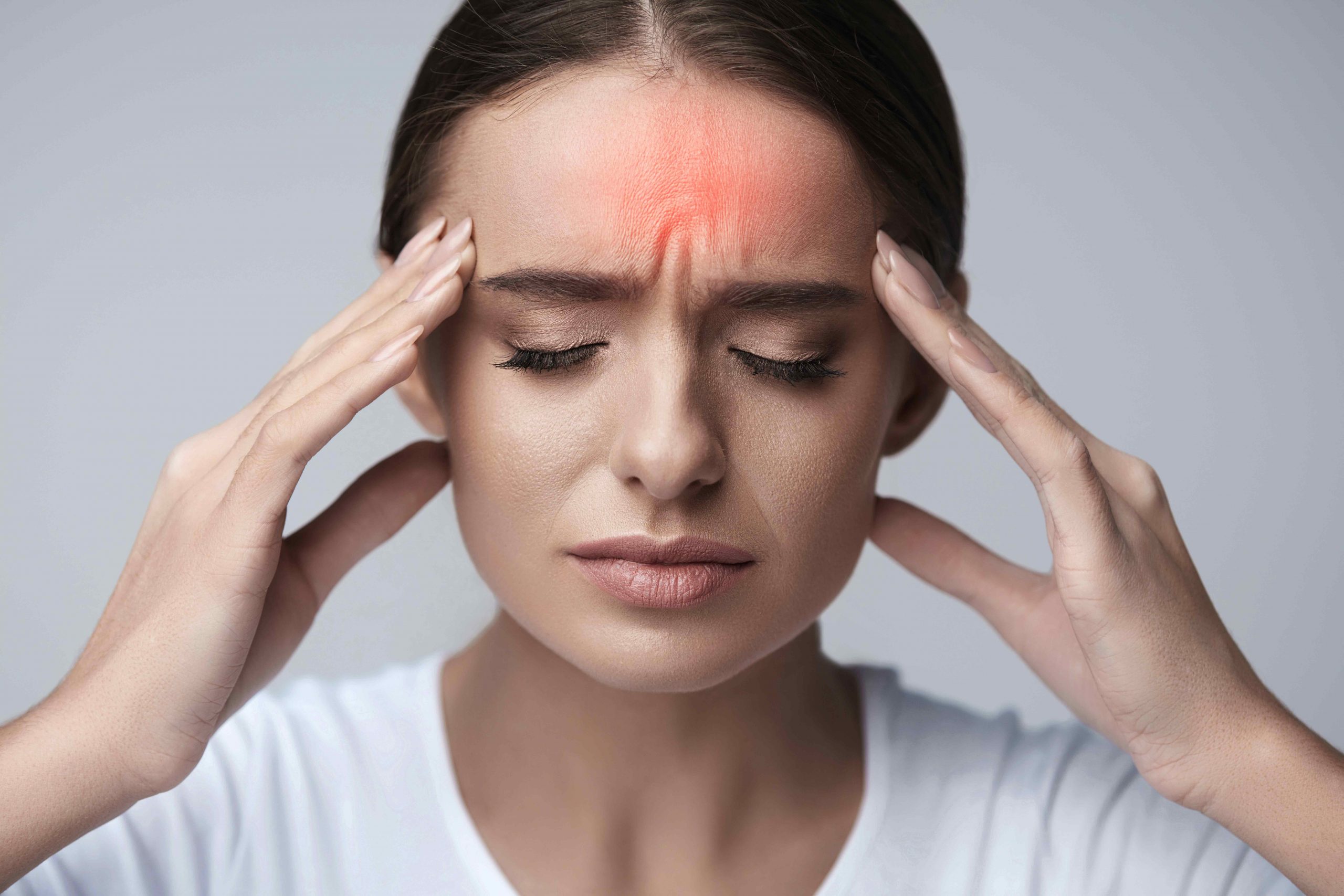
Headaches are one of the most common reasons people seek care. They’re often driven by stress, posture, or jaw clenching. Tension in the neck, shoulders, or temples feeds directly into migraine patterns.
Massage helps by releasing trigger points, easing neck and shoulder fascia, and calming the nervous system. Clients often report not just reduced pain but fewer headache episodes overall.
🔗 Related: [Surprising Sources of Neck Pain]
🔗 Related: [Fascial Work as a Natural Facial]
2. Frozen Shoulder (Adhesive Capsulitis)
Frozen shoulder develops when scar tissue or immobility locks down the capsule surrounding the joint. Pain and severely limited motion can last months without intervention.
Massage helps by breaking down adhesions, restoring circulation, and gradually improving mobility. Combined with gentle stretching, this speeds recovery.
🔗 Related: [Surprising Sources of Shoulder Pain]
🔗 Related: [Scar Tissue Isn’t Just Skin Deep]
3. Sciatica
Sciatica describes irritation of the sciatic nerve, which runs from the low back to the foot. It’s often caused by a tight piriformis, lumbar disc issues, or pelvic misalignment.
Massage helps by releasing the glutes, hamstrings, and low back fascia to relieve nerve compression. This reduces pain, tingling, and discomfort along the nerve pathway.
🔗 Related: [Surprising Sources of Low Back Pain]
🔗 Related: [Surprising Sources of Hip Pain]
4. Plantar Fasciitis
Heel and arch pain is often blamed on the foot itself, but tight calves, poor footwear, or gait issues usually play a role.
Massage helps by softening the plantar fascia, lengthening calves, and improving ankle mechanics. Many clients notice relief not just in the feet but across the whole walking chain.
🔗 Related: [Surprising Sources of Foot Pain]
🔗 Related: [Runner & Cyclist Self-Care]
5. TMJ Dysfunction
Jaw pain, clicking, and tension headaches often trace back to TMJ dysfunction. Stress and clenching overload the jaw and ripple upward into the neck and temples.
Massage helps with gentle intra-oral release, fascial work around the jaw and temples, and reducing overall stress load. Clients often report improved mobility and fewer headaches.
🔗 Related: [Surprising Sources of Neck Pain]
🔗 Related: [How Massage Therapy Rewires Stress Responses]
6. Postural Strain (Desk Work)
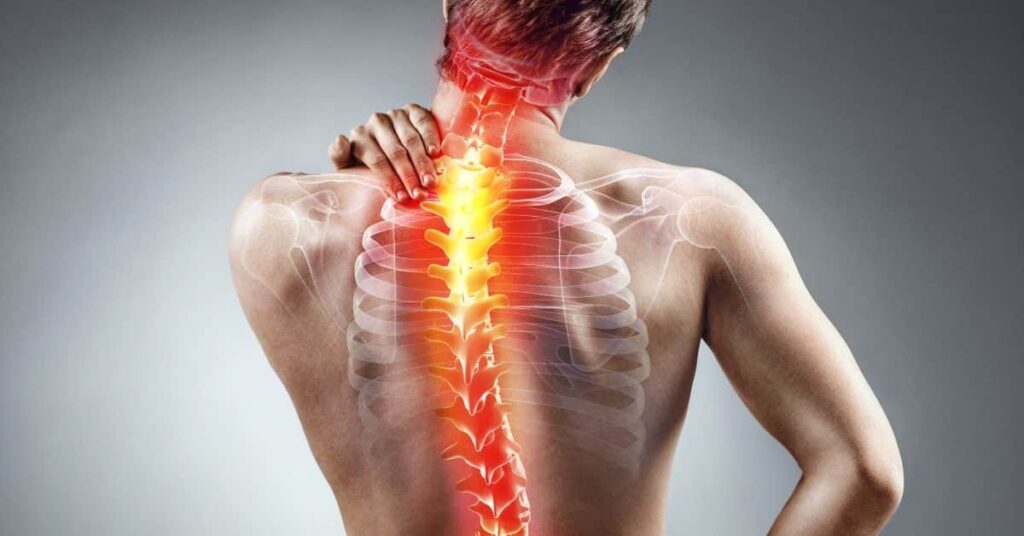
Forward head posture, rounded shoulders, and tight hips are hallmarks of modern desk work. Left unchecked, they create long-term neck, back, and shoulder pain.
Massage helps by opening the chest, lengthening tight hip flexors, and restoring balance across the postural chain. With better awareness, clients often carry healthier posture into daily life.
🔗 Related: [Desk Job Survival Guide]
🔗 Related: [Surprising Sources of Shoulder Pain]
7. Post-Surgical Recovery
Surgery often leaves behind scar tissue, lymphatic congestion, and muscle guarding. Without intervention, these can limit mobility and cause long-term discomfort.
Massage helps through myofascial release, scar tissue remodeling, and lymphatic drainage. This restores circulation and range of motion, supporting long-term recovery.
🔗 Related: [Scar Tissue Isn’t Just Skin Deep]
🔗 Related: [Surprising Sources of Knee Pain]
8. Thoracic Outlet Syndrome (TOS)
TOS occurs when nerves and blood vessels are compressed between the collarbone and first rib, often from poor posture or repetitive strain. Symptoms include arm tingling, numbness, and weakness.
Massage helps by releasing tight scalenes, pec minor, and surrounding fascia to improve circulation and nerve space.
🔗 Related: [Surprising Sources of Neck Pain]
🔗 Related: [Surprising Sources of Shoulder Pain]
9. Carpal Tunnel Syndrome
Carpal tunnel is caused by compression of the median nerve at the wrist, but the tension often starts in the forearms, shoulders, and even chest.
Massage helps by releasing the wrist flexors/extensors, freeing forearm fascia, and improving nerve glide through the arm.
🔗 Related: [Surprising Sources of Elbow & Wrist Pain]
🔗 Related: [Desk Job Survival Guide]
10. Knee Pain (Patellofemoral, IT Band, Meniscus-Related)
Knee pain often reflects imbalances in the hips, calves, or IT band rather than just the joint. Weak glutes or tight quads can pull the kneecap off track.
Massage helps by reducing IT band tension, balancing hip function, and softening scar tissue that limits tracking. This restores smoother, pain-free movement.
🔗 Related: [Surprising Sources of Knee Pain]
🔗 Related: [Surprising Sources of Low Back Pain]
11. Repetitive Strain Injuries (RSI)
Repetitive strain injuries happen when the same motions — lifting, gripping, hammering, typing, or using tools — overload muscles, tendons, and fascia over time. They’re common among both office workers and manual laborers. Symptoms often include aching, stiffness, or burning pain in the wrists, elbows, shoulders, or back.
Massage helps by reducing inflammation, releasing tight fascia, and improving circulation in overworked tissues. Over time, this not only reduces pain but also helps prevent recurring flare-ups by restoring balance across the chain of movement.
🔗 Related: [Surprising Sources of Elbow & Wrist Pain]
🔗 Related: [Shoulder Pain – Surprising Sources]
🔗 Related: [Desk Job Survival Guide]
12. Stress & Anxiety (Nervous System Dysregulation)
Stress doesn’t just affect the mind — it creates physical tension patterns that lock down fascia, disrupt sleep, and heighten pain.
Massage helps by activating the parasympathetic nervous system, calming stress hormones, and supporting vagus nerve regulation. Clients often leave feeling clearer, calmer, and more resilient.
🔗 Related: [How Massage Therapy Rewires Stress Responses]
🔗 Related: [Why Pain Gets Worse in Winter]
The Takeaway
Massage therapy supports far more than relaxation. Whether you’re struggling with headaches, back pain, or post-surgical recovery, it works by addressing both the obvious symptoms and the hidden restrictions beneath them.
At Rise Massage Therapy, we take a whole-body approach that blends the science of fascia with a deep respect for how the body compensates and heals.
👉 Ready to learn more? Explore our [Pain Chain Series] for insights into hidden causes of pain, or dive deeper into each condition in our Common Conditions blog series.
👉 Struggling with one of these conditions right now? [Book a session at Rise Massage Therapy in Winchester] and take the first step toward lasting relief.