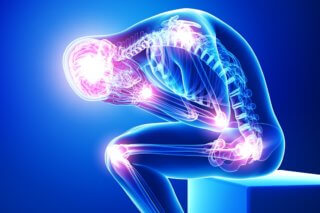

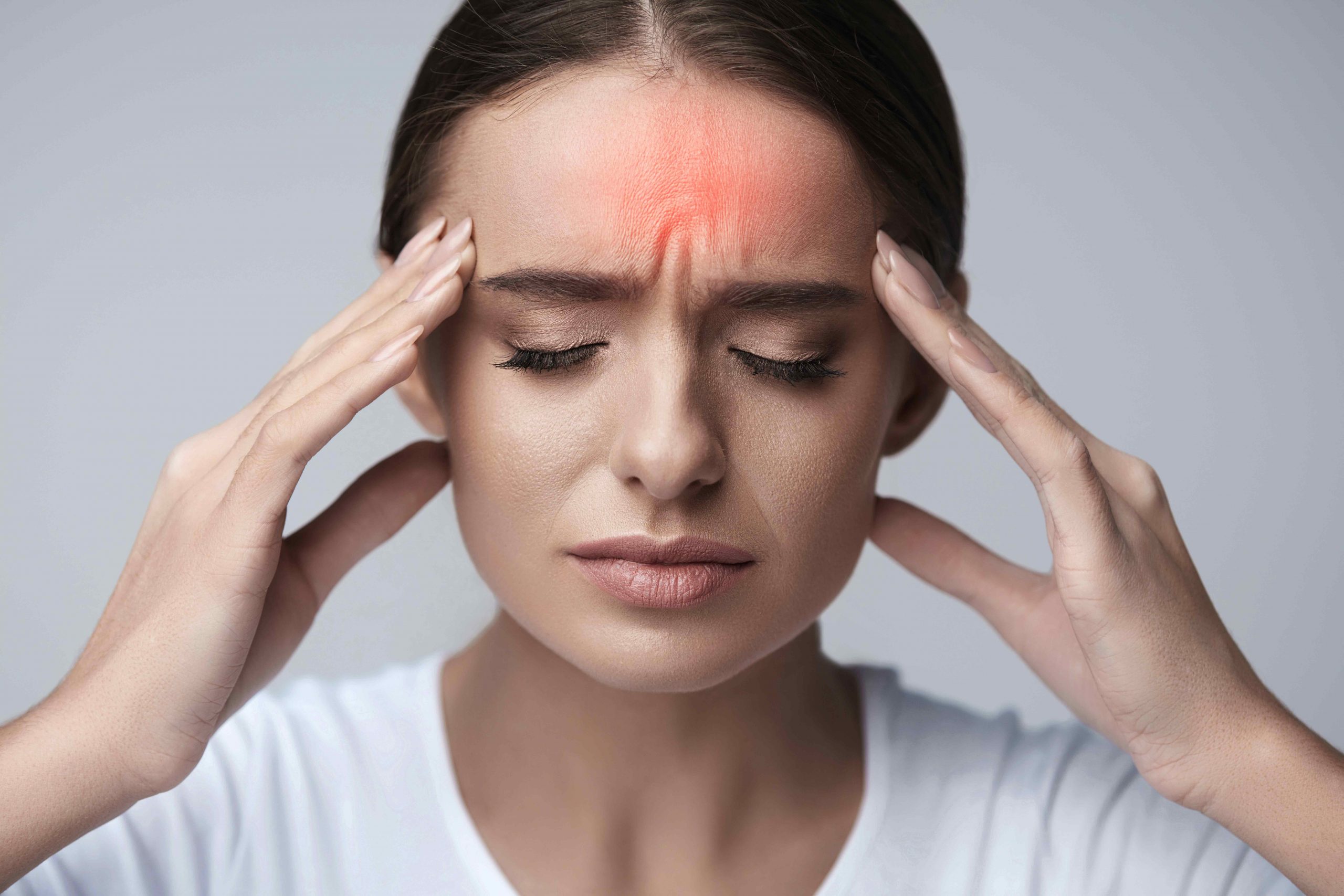
Migraines & Tension Headaches are one of the most common reasons people seek medical care — and one of the most frustrating. Migraines can feel like they hijack your life, bringing throbbing pain, light sensitivity, and even nausea. Tension headaches, while less severe, create a dull, relentless ache that makes it hard to focus at work or enjoy daily activities.
Many people turn first to painkillers, caffeine, or quick fixes. While these may provide temporary relief, they rarely address the underlying causes of headaches. That’s where massage therapy comes in. By targeting muscular and fascial restrictions, calming the nervous system, and improving circulation, massage helps resolve not just the symptoms but also the hidden triggers of headaches.
Understanding Migraines & Tension Headaches
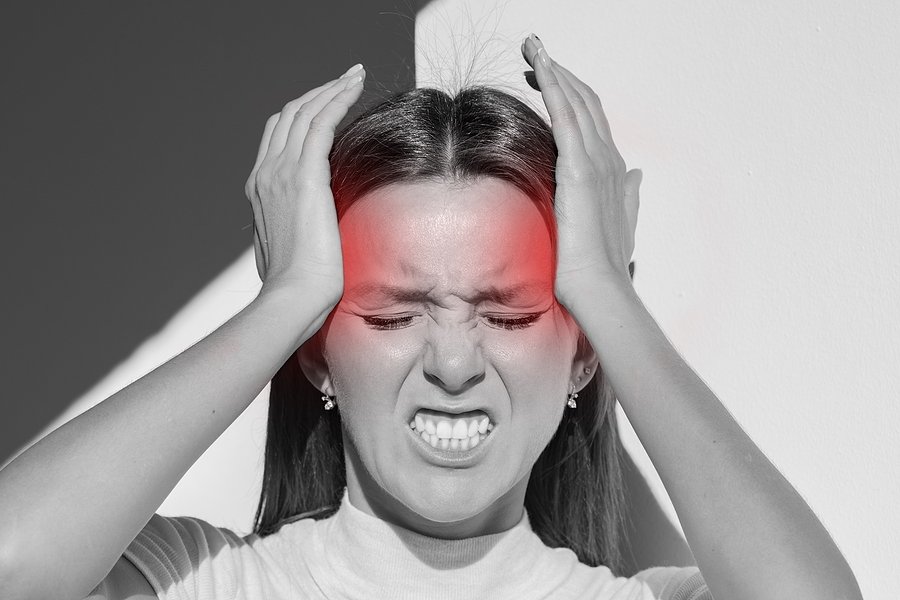
- Migraines are neurological events often involving vascular changes and nervous system hypersensitivity. They can be triggered by stress, hormonal changes, posture, certain foods, or even weather shifts. Migraines often include light or sound sensitivity, nausea, and a need to retreat to a dark room.
- Tension headaches are usually muscular in origin, linked to tightness in the neck, scalp, jaw, and shoulders. Stress and poor posture are leading culprits.
What both types share is that they’re not “just in your head” — they’re deeply connected to what’s happening in the body’s muscle and fascia systems.
Myths & Misconceptions About Headaches
Migraines & tension headaches are so common that myths about them have become everyday “advice.” Unfortunately, these misconceptions often delay people from finding lasting relief:
- “It’s just dehydration.” While hydration matters, most chronic headaches are driven by muscular tension, nervous system stress, or TMJ dysfunction — not simply lack of water.
- “Blue light glasses will fix it.” Screens play a role, but posture, jaw tension, and nervous system overload are usually bigger culprits. Glasses may help symptoms but won’t solve root causes.
- “Massage can only relax you, not stop headaches.” In reality, targeted massage releases fascial restrictions, calms the nervous system, and directly treats the muscular sources of tension headaches.
Recognizing these myths helps clients see headaches for what they are: a whole-body issue that needs more than surface fixes.
Deeper Causes of Migraines & Tension Headaches
Headaches are rarely isolated — they’re often the body’s “check engine light.” Beyond the usual suspects, here are some overlooked causes:
- Hormonal fluctuations (especially in women) can amplify migraine sensitivity by affecting vascular tone and nervous system thresholds.
- Jaw mechanics and bite alignment create chronic stress in the TMJ, radiating tension into the temples and neck.
- Cervical nerve compression from poor posture or old injuries can mimic migraine symptoms with tingling or pain into the scalp.
- Stress bracing patterns — unconscious tightening of the diaphragm, shoulders, and jaw — increase pain sensitivity in the nervous system.
Massage therapy addresses many of these contributors directly, while also calming the body enough for it to regulate more effectively on its own.
The Hidden Connections: How Other Areas Fuel Headaches
Headaches often start outside the head itself. Here are some surprising contributors that massage therapy addresses:
Jaw & TMJ Dysfunction
Clenching or grinding tightens the masseter and temporalis muscles, radiating pain into the temples and neck. TMJ tension is a common but overlooked headache trigger.
🔗 Related: [Surprising Sources of Neck Pain]
🔗 Related: [Fascial Work as a Natural Facial]
Neck & Shoulder Tension
Hours at a desk, device use, or stress shrink the space around the cervical spine. Tight traps, scalenes, and levator scapulae pull directly into the skull base, creating throbbing or band-like tension headaches.
🔗 Related: [Surprising Sources of Shoulder Pain]
🔗 Related: [Desk Job Survival Guide]
Stress & Nervous System Overload
Headaches often flare when the body is “stuck” in fight-or-flight mode. A hyperactive nervous system increases muscle bracing, vascular sensitivity, and pain perception.
🔗 Related: [How Massage Therapy Rewires Stress Responses]
Postural Imbalances
Forward head posture or rounded shoulders change how muscles and fascia load the neck. This creates constant strain at the base of the skull, a prime spot for headache triggers.
The Trigeminovascular System & Fascial Tension
Migraines aren’t just about head pain — they involve the trigeminovascular system, where the trigeminal nerve interacts with blood vessels in the brain and scalp. When this system becomes sensitized, normal stimuli like light, sound, or even mild pressure can feel overwhelming.
Fascial restrictions amplify this sensitivity. Tension in the jaw, temples, and neck presses on branches of the trigeminal nerve, increasing its excitability. At the same time, reduced circulation in these tissues allows inflammatory byproducts to linger, priming the nerve to fire.
By freeing fascial restrictions around the jaw, scalp, and neck, massage therapy helps reduce this constant irritation. Improved circulation calms the trigeminovascular system, decreasing the frequency and intensity of migraines while restoring balance to the nervous system.
How Massage Therapy Helps
Massage therapy provides headache relief in multiple ways:
- Releasing Trigger Points
- Trigger points in the neck, jaw, and shoulders can refer pain directly into the head. Focused massage “switches off” these hotspots, reducing both frequency and intensity of headaches.
- Trigger points in the neck, jaw, and shoulders can refer pain directly into the head. Focused massage “switches off” these hotspots, reducing both frequency and intensity of headaches.
- Improving Circulation & Oxygen Flow
- By freeing fascia and muscle restrictions, massage restores blood flow to the head and neck. This reduces vascular tension, a common migraine trigger.
- By freeing fascia and muscle restrictions, massage restores blood flow to the head and neck. This reduces vascular tension, a common migraine trigger.
- Calming the Nervous System
- Gentle massage activates the parasympathetic system, lowering stress hormones and easing the “fight-or-flight” response that fuels headaches.
- Gentle massage activates the parasympathetic system, lowering stress hormones and easing the “fight-or-flight” response that fuels headaches.
- Balancing the Fascia
- Fascia connects the jaw, neck, shoulders, and scalp. By treating this system as a whole, massage restores healthy movement and reduces strain that often manifests as headaches.
- Fascia connects the jaw, neck, shoulders, and scalp. By treating this system as a whole, massage restores healthy movement and reduces strain that often manifests as headaches.
Functional Anatomy Spotlight: The Neck–Jaw–Cranial Fascia Web
Headaches often trace back to restrictions far from the head itself. The suboccipital muscles at the base of the skull, when tight, compress nerves that radiate pain into the temples and behind the eyes. Add in jaw clenching and fascial pull through the scalp, and the whole cranial system becomes a taut web. Massage relieves this by softening the suboccipitals, releasing jaw tension, and restoring glide through scalp fascia, reducing the mechanical drivers of migraine and tension headaches.
Lifestyle & Prevention
Lasting headache relief often requires daily strategies outside the treatment room. Massage lays the foundation, but these lifestyle adjustments can keep progress going:
- Ergonomic Reset: Raise screens to eye level, keep feet flat, and avoid hunching forward. This reduces cervical strain that fuels tension headaches.
- Movement Snacks: Every 30–45 minutes, roll your shoulders, stretch your neck, or stand briefly. Micro-movements prevent stiffness from accumulating.
- Sleep Hygiene: Consistent sleep routines regulate stress hormones and nervous system activity, lowering migraine frequency.
- Stress Management: Breathing practices, meditation, or gentle yoga complement massage by reducing fight-or-flight dominance.
- Nutrition & Hydration: Balanced meals and steady hydration help stabilize vascular and nervous system triggers.
Together, these changes create an environment where massage results “stick,” keeping headaches away instead of constantly managing flare-ups.
Long-Term Resilience: Training the Head & Neck for Calm
- Postural Micro-Resets: Align ears over shoulders regularly to unload neck tension.
- Jaw Awareness: Keep teeth slightly apart with tongue at the palate to reduce clenching.
- Breath Expansion: Diaphragmatic breathing decreases accessory neck muscle strain.
- Hydration & Sleep Hygiene: Both reduce fascial stiffness and neural irritability.
Massage resets the headache cycle, but resilience comes from daily strategies that stop tension from building in the first place.
At-Home Tips for Headache Relief
Massage sets the stage, but daily self-care helps keep headaches at bay. Try these simple techniques at home:
- Jaw Relaxation Drill: Place your tongue gently on the roof of your mouth, then slowly open and close the jaw. Reduces clenching that triggers headaches.
- Neck Stretch Reset: Sit tall, tilt one ear toward the shoulder, hold 20–30 seconds, repeat on each side. Releases neck tension feeding into the skull base.
- Breathing Reset: Practice slow belly breathing, inhaling for 4 counts and exhaling for 6–8. Calms the nervous system and lowers stress-driven headache triggers.
- Hydration Habit: Dehydration is an overlooked headache trigger. Aim for steady water intake throughout the day.
- Screen Break Rule: Every 30–45 minutes, stand, stretch, and gently roll the shoulders to reset posture.
When to Seek Professional Help
While massage helps many headache sufferers, there are times when professional evaluation is critical. Seek medical care if:
- Headaches are sudden and severe (“the worst headache of your life”)
- They come with neurological changes (vision loss, weakness, slurred speech)
- They follow a head injury
- They’re accompanied by fever, confusion, or stiff neck
For recurring tension headaches or migraines with known triggers, massage therapy can safely be part of a larger care plan, often alongside physiotherapy, chiropractic, or medical management.
The Takeaway
Migraines and tension headaches can feel overwhelming, but they don’t have to control your life. By addressing the hidden contributors — jaw tension, neck and shoulder strain, postural issues, and nervous system overload — massage therapy offers real, lasting relief.
At Rise Massage Therapy, we treat headaches as part of the whole-body system, not just as isolated pain. This approach helps clients move beyond quick fixes and toward freedom, balance, and resilience.
👉 Ready to explore headache relief that lasts? Book a session at Rise Massage Therapy in Winchester and discover how freeing the pain chain can unlock ease in your head, neck, and shoulders.