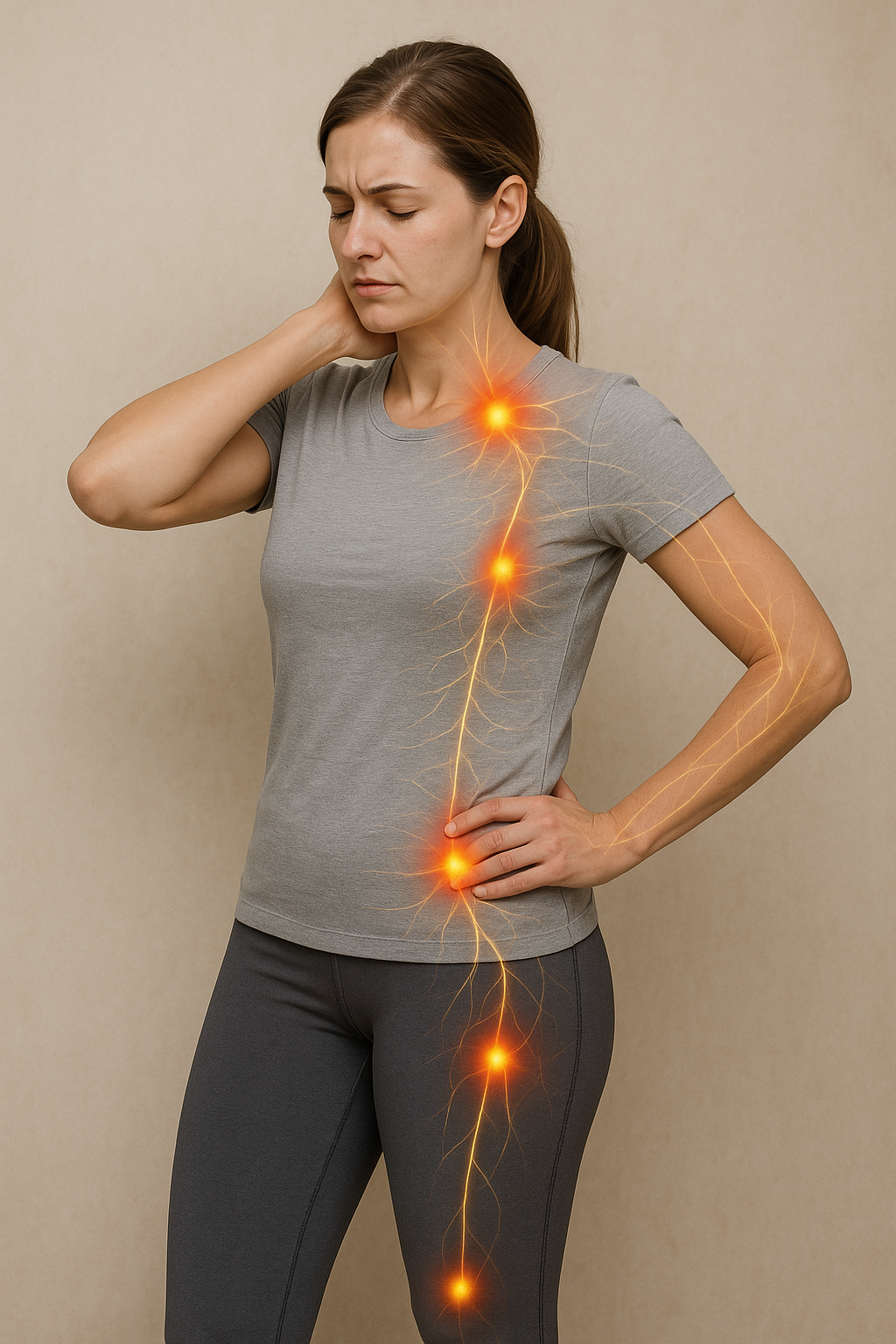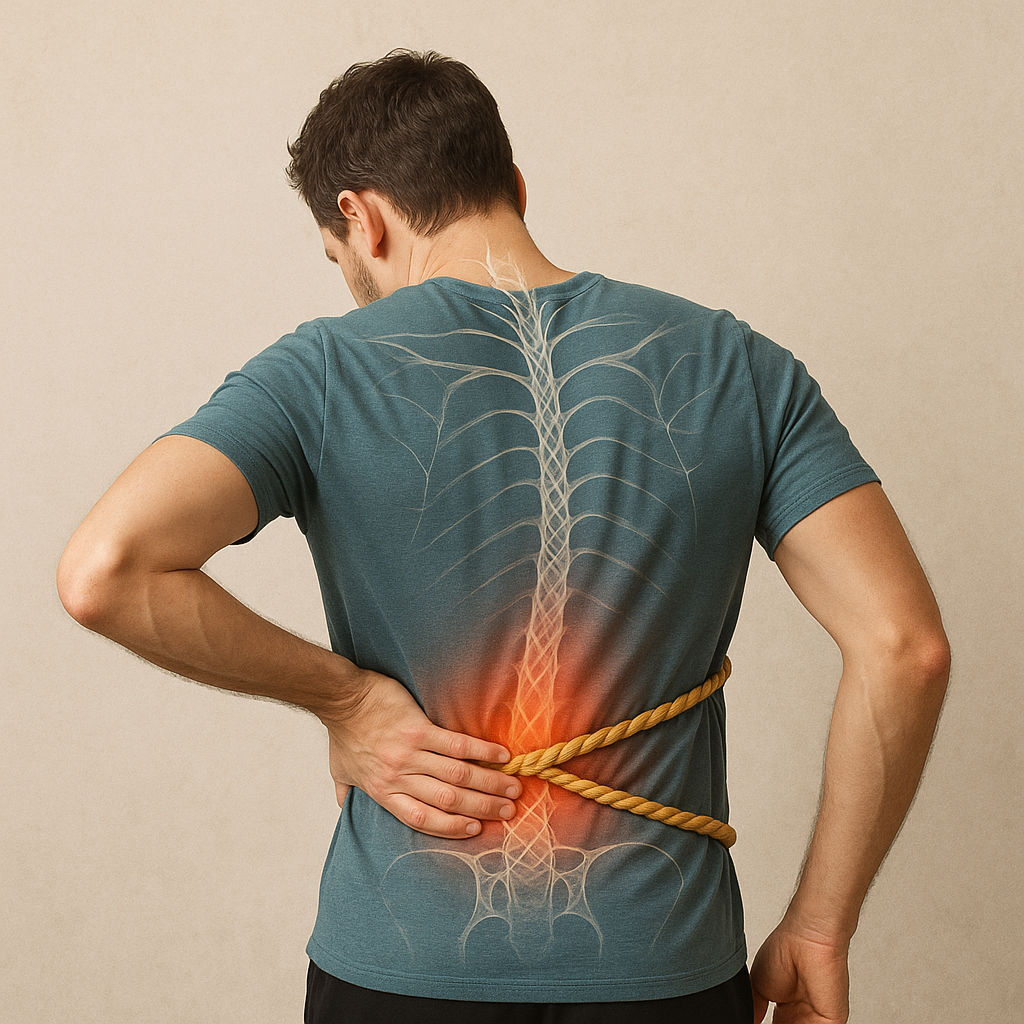

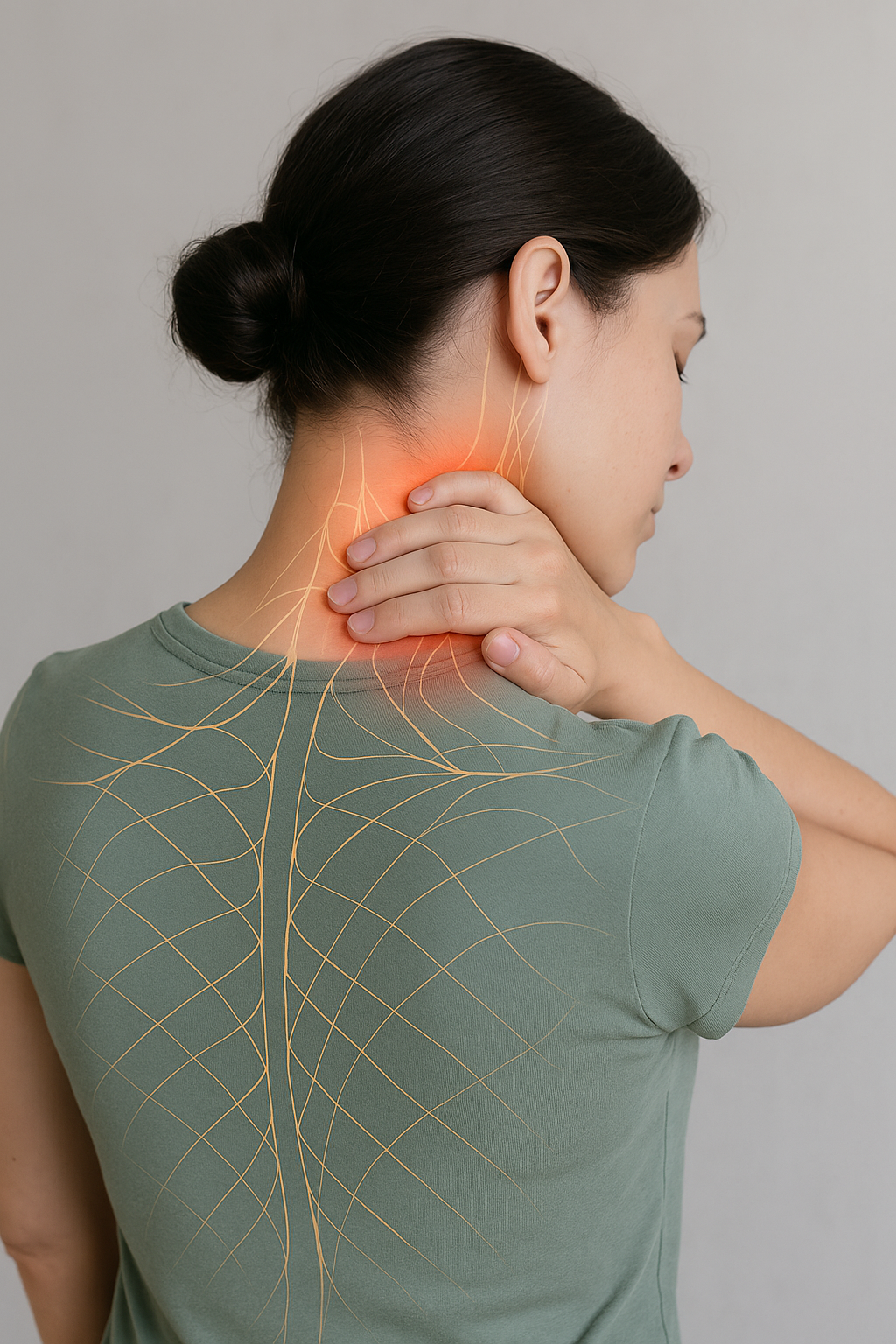
Neck pain is one of the most common complaints people bring to massage therapy. Between endless hours on screens, daily stress, and poor sleep positions, it’s easy to assume the neck itself is the problem. But here’s the surprising truth: neck pain rarely begins in the neck.
The cervical spine is a crossroads of fascia, nerves, and muscular chains. Restrictions anywhere along those chains — from the jaw to the hips — can ripple upward, leaving your neck feeling stiff, achy, or painfully tight.
At Rise Massage Therapy in Winchester, we specialize in looking beyond the obvious. Clients are often surprised to discover that their stubborn neck pain begins with something as unexpected as jaw clenching, old scar tissue, or even hip tension. Once we release the hidden sources, relief is not only possible but often long-lasting.
Here are some of the most overlooked sources of neck pain — and how fascia-focused massage therapy helps.
1. Jaw Tension & TMJ Dysfunction
If you clench your jaw during the day or grind your teeth at night, you’re not alone. TMJ tension is one of the most common contributors to headaches and neck pain.
The jaw is linked to the neck through powerful fascial and muscular connections — the masseter and temporalis (jaw muscles) share tension pathways with the suboccipitals at the base of the skull. Over time, clenching creates a chain reaction: headaches, ear pain, and a neck that feels “locked.”
Massage therapy helps by releasing jaw and cranial fascia, often softening tension that radiates down the neck. Gentle intra and extra-oral techniques and trigger point release can free this overlooked driver of pain.
🔗 Related: [Shoulder Pain – Surprising Sources], [Headaches & Massage Therapy]
2. Shoulder Restrictions
The neck and shoulders share a constant workload. Stress, desk posture, or heavy lifting tighten the traps and levator scapulae — the exact muscles that anchor into the cervical spine.
When the shoulders are locked in a shrug, the neck has no room to move freely. Many people describe it as “wearing their shoulders as earrings.” Over time, this compressive load strains the cervical vertebrae, creating pain and restricted motion.
Massage therapy helps by working deeply into the shoulders, chest, and upper back. As the shoulders release, pressure eases off the neck, creating instant relief and a feeling of “space” in the spine.
🔗 Related: [Shoulder Pain – Surprising Sources], [Desk Worker Survival Guide]
3. Hip & Pelvic Imbalances
It may sound far-fetched, but hip restrictions can directly influence the neck. The body is one long fascial web. When the pelvis tips forward or one hip hikes higher (from sitting unevenly, scoliosis, or tight hip flexors), the entire spine compensates.
This compensation often shows up as neck strain. Clients with stubborn neck pain are often shocked to discover that releasing their hip flexors or glutes makes their neck suddenly feel lighter.
Massage therapy helps by balancing the pelvis, freeing the psoas and glutes, and reducing the “domino effect” up the spine. Once the foundation is aligned, the neck doesn’t have to fight so hard to stay upright.
🔗 Related: [Low Back Pain – Surprising Sources], [Hip Pain – Surprising Sources]
4. Hand & Arm Overuse
Typing, gripping, swiping, scrolling — our hands and arms are in near-constant motion. Overuse tightens the forearms and shoulders, which connect through the brachial plexus and fascia into the neck.
This creates a tug-of-war effect: tight arms pull on the shoulder girdle, which strains the cervical spine. Many people with carpal tunnel or forearm tension also complain of neck pain, though they don’t realize the two are linked.
Massage therapy helps by working not just the neck, but also the arms, pecs, and forearms. Freeing these restrictions reduces nerve compression and tension traveling up into the cervical area.
🔗 Related: [Elbow & Wrist Pain – Surprising Sources], [Shoulder Pain – Surprising Sources]
5. Old Injuries & Scar Tissue
Neck pain can also trace back to old injuries or surgical scars. Whiplash from a car accident, a fall years ago, or even abdominal or C-section scars can create fascial adhesions.
Because fascia is continuous, these scars can pull on distant structures. A lower abdominal scar may subtly tug on the spine, setting the stage for chronic neck strain.
Massage therapy helps remodel scar tissue, break up adhesions, and restore mobility to fascial planes. This reduces the “hidden tug” that keeps the neck locked in painful patterns.
🔗 Related: [Scar Tissue & Massage Therapy], [Low Back Pain – Surprising Sources]
At-Home Tips for Neck Relief
Massage sets the stage for recovery, but daily care reinforces progress. Here are five simple at-home strategies to support your neck:
- Jaw Release Drill: Place your tongue gently on the roof of your mouth just behind your front teeth. Slowly open and close your jaw. This reduces unconscious clenching.
- Shoulder Blade Squeeze: Sit tall, gently draw your shoulder blades together and down. Builds postural support to take strain off the neck.
- Hip Opener Stretch: Sit on a chair, cross one ankle over the opposite knee, and lean forward gently. Loosens hip rotators, reducing upward pull on the spine.
- Forearm Stretch: Extend one arm forward, palm up, and use your other hand to gently pull back on the fingers. Frees tension traveling through the shoulder into the neck.
- Breathing Reset: Deep belly breathing down-regulates stress signals in the nervous system, often reducing neck tightness within minutes.
The Takeaway
Neck pain is rarely just a neck issue. From jaw clenching to hip restrictions, the hidden tension chains running through the body often leave their mark at the top of the spine.
By addressing the whole body — not just the site of pain — fascia-focused massage therapy restores balance, mobility, and lasting relief.
👉 Book a session at Rise Massage Therapy in Winchester and discover how freeing the chain brings freedom to your neck.