

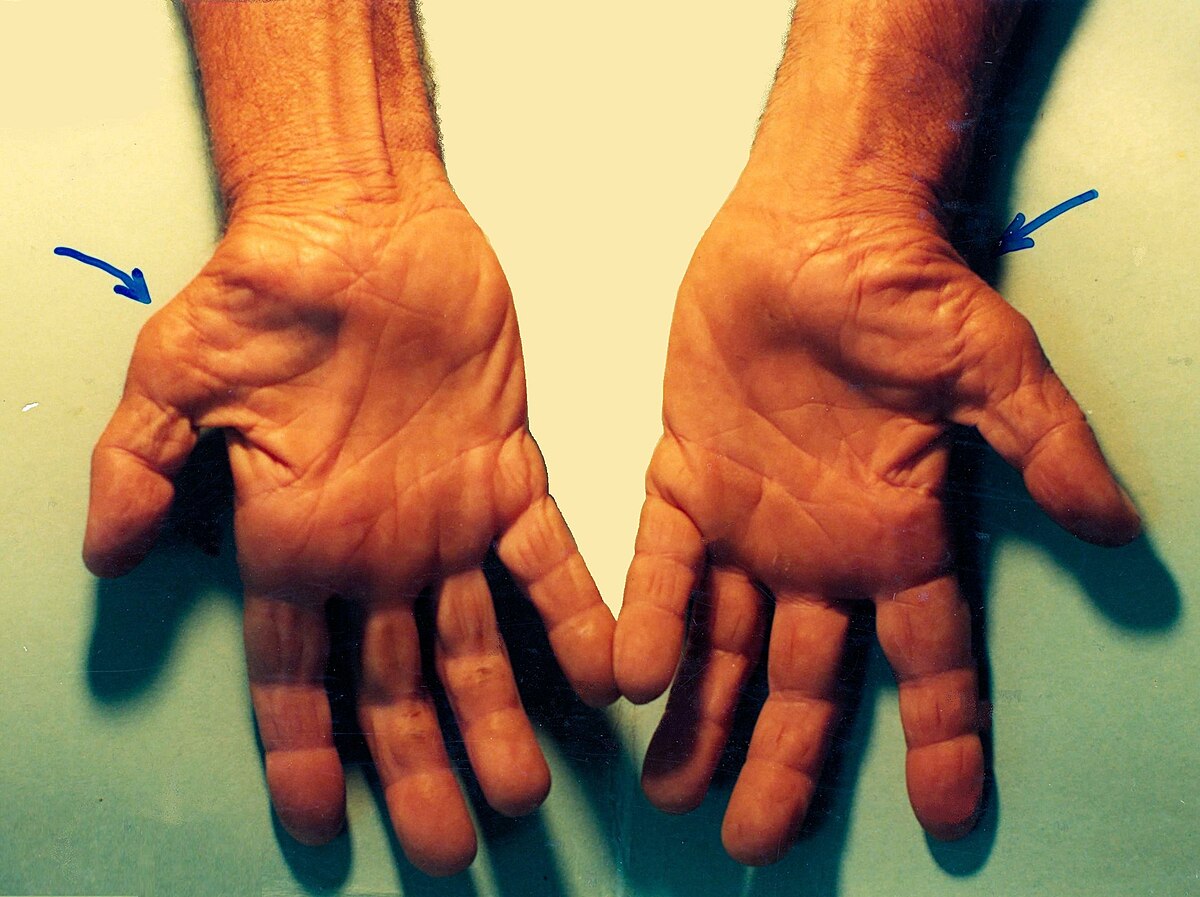
vNumbness, tingling, or weakness in the hands is often labeled Carpal Tunnel Syndrome (CTS). It’s one of the most common nerve compression conditions, affecting office workers, tradespeople, musicians, and anyone relying on repetitive hand movements.
But here’s the key: while CTS symptoms show up in the wrist and hand, the problem often involves much more than the carpal tunnel itself. Restrictions in the neck, shoulders, and forearms can all load stress into this small passageway. Massage therapy helps by addressing both the wrist and the upstream tension patterns that drive symptoms.
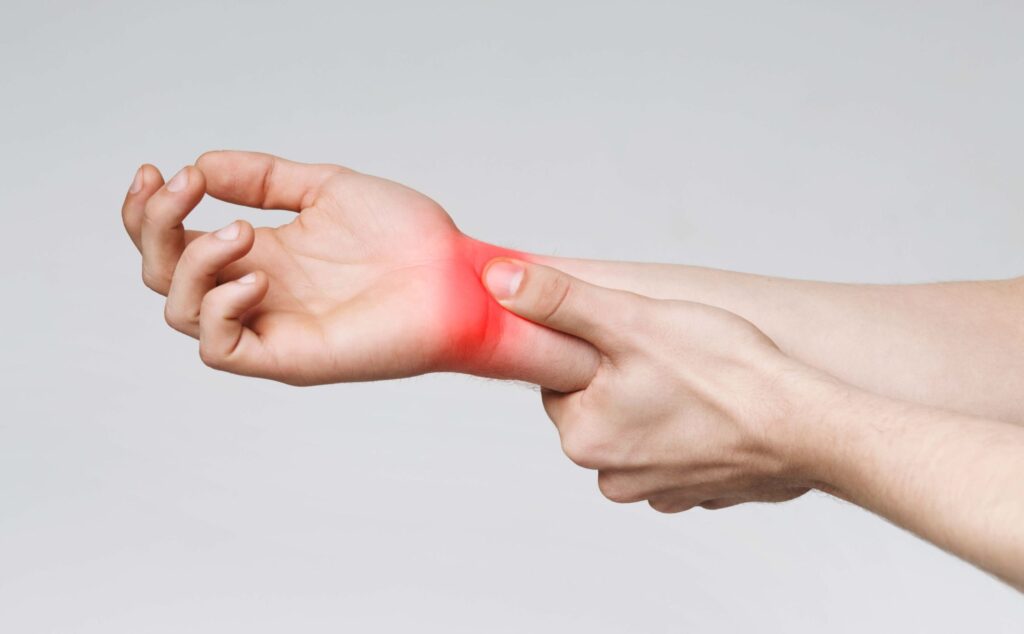
Understanding Carpal Tunnel Syndrome
The carpal tunnel is a narrow passage in the wrist formed by small bones and the transverse carpal ligament. Through it pass the median nerve and several tendons that flex the fingers.
When the tunnel narrows due to inflammation, scar tissue, or muscle tightness, the median nerve gets compressed.
Symptoms include:
- Numbness and tingling in thumb, index, and middle fingers
- Hand weakness or loss of grip strength
- Pain radiating into forearm or elbow
- Worsening symptoms at night or with repetitive activity
Risk factors include:
- Repetitive hand use (typing, tool use, instruments)
- Poor wrist posture during work
- Scar tissue from old wrist injuries
- Systemic factors (pregnancy, diabetes, thyroid imbalance)
Myths & Misconceptions
- “CTS is only caused by typing.”
While common among desk workers, tradespeople and athletes develop CTS too. - “It’s just a wrist problem.”
Nerve compression often begins higher up — in the forearm, shoulder, or even neck. - “Surgery is the only option.”
Many CTS cases improve with conservative care: massage, ergonomics, stretching, and strengthening. - “If I rest my hands, it will go away.”
Rest alone often isn’t enough if fascial restrictions remain.
Deeper Causes & System Connections
CTS is rarely isolated. The median nerve begins in the cervical spine and runs through the shoulder and forearm before reaching the wrist. Compression anywhere along this chain can mimic or worsen CTS.
- Neck & Shoulder Restrictions: Tight scalenes or pec minor compress the brachial plexus, reducing space for nerves before they even reach the arm.
- Forearm Muscle Tightness: Overworked flexors and extensors crowd the carpal tunnel, increasing tendon bulk and pressure.
- Wrist Posture: Constant extension (typing, mousing) narrows the tunnel.
- Scar Tissue: Old wrist or hand injuries create adhesions that trap fascia.
- Systemic Load: Inflammation from hormonal or metabolic conditions adds swelling that crowds the nerve.
Fascial Tension, Nerve Glide, and Compression
The median nerve must “glide” smoothly through the wrist during hand movement. In CTS:
- Fascia stiffens around the wrist and forearm, limiting nerve mobility.
- Tendons swell within the tunnel, increasing pressure.
- Nerve sensitivity rises — even small compression triggers pain or tingling.
- Guarding reflexes tighten muscles, worsening compression.
Massage therapy addresses this by:
- Softening tight forearm flexors and extensors.
- Mobilizing fascia in wrist, hand, and forearm to restore glide.
- Freeing upstream restrictions in shoulder and neck to reduce nerve tension.
- Calming nerve sensitivity with slow, gentle fascial release.
Functional Anatomy Spotlight: Why Small Muscles Matter
When people think of Carpal Tunnel Syndrome, they often imagine the wrist as the main culprit. But some of the most overlooked contributors are the small muscles of the hand itself — the lumbricals, interossei, and the thenar/hypothenar groups at the base of the thumb and little finger.
These tiny muscles are responsible for fine motor control, grip precision, and stabilizing finger movement. When they’re overworked — from constant typing, gripping tools, or swiping on devices — they stiffen and pull on the tendons that run through the carpal tunnel. This creates a “crowding” effect inside the tunnel, adding extra pressure on the median nerve.
Massage therapy targets not just the forearm and wrist but also these small hand muscles. By softening adhesions in the palm and improving circulation in these often-neglected tissues, massage restores glide and space where it matters most. For many clients, releasing the thenar and hypothenar muscles can immediately reduce the feeling of tightness and tingling in the hand.
What’s Happening Beneath the Surface — And How Massage Intervenes
CTS symptoms are more than just “a squeezed nerve.” Several overlapping processes explain why pain persists:
- Inflammation Loop: Repetitive strain irritates tendon sheaths, swelling narrows the tunnel further.
- Scar Tissue Formation: Microtears in fascia create adhesions that trap the median nerve.
- Circulatory Blockage: Swelling slows blood and lymph flow, starving tissues of oxygen.
- Protective Guarding: Muscles tighten around the wrist and forearm, increasing pressure.
- Nerve Sensitization: Chronic irritation makes the median nerve more sensitive, so even light activity triggers tingling or pain.
Massage therapy helps break this cycle by:
- Releasing forearm and wrist fascia to reduce tunnel pressure.
- Improving circulation and lymphatic drainage to clear swelling.
- Restoring nerve glide by freeing adhesions.
- Calming guarding reflexes to normalize movement.
- Reducing nerve sensitivity through gentle, sustained touch.
Lifestyle & Prevention
Beyond treatment, prevention plays a major role in long-term relief:
- Ergonomic Adjustments: Keep wrists neutral when typing or using tools.
- Micro-Breaks: Pause every 20–30 minutes to stretch hands and forearms.
- Task Variation: Rotate tasks to avoid constant repetition.
- Grip Awareness: Use the least force necessary when gripping tools or objects.
- Posture Correction: Rounded shoulders and forward head posture increase tension along the nerve chain.
- Stress Regulation: Stress fuels clenching and bracing, subtly increasing wrist compression.
Long-Term Prevention: Building Resilience
Stretching and ergonomic adjustments help manage Carpal Tunnel Syndrome, but true long-term relief depends on building resilience in the whole chain — from hand to shoulder.
- Grip Balance: Many people have strong flexors (the muscles that close the hand) but weak extensors (the muscles that open it). Adding simple rubber band “finger extensions” balances strength across the hand.
- Forearm Conditioning: Gentle strengthening of the wrist extensors reduces overload on the flexors that dominate the carpal tunnel.
- Scapular Stability: Strong mid-back and shoulder stabilizers keep posture upright, reducing forward head and rounded shoulders that compress nerves higher up the chain.
- Load Management: Think of the wrist as the weakest link in the chain. If the hips, core, and shoulders share the workload, the wrists won’t bear constant stress.
Massage helps restore movement, but building strength and balance ensures symptoms don’t simply return once you’re back at the desk or on the job site. Pairing hands-on therapy with resilience training is the most effective long-term strategy.
At-Home Tips for Carpal Tunnel Relief
Practical exercises to reinforce healing between sessions:
- Wrist Flexor Stretch: Extend one arm, palm up, gently pull fingers back with the opposite hand. Loosens overloaded flexors.
- Wrist Extensor Stretch: Palm down, gently bend wrist downward. Reduces extensor tension.
- Median Nerve Glide: Extend arm, palm up, slowly bend wrist and fingers back, then relax. Promotes nerve mobility.
- Forearm Self-Massage: Use the opposite thumb or a small ball to roll along forearm muscles.
- Shoulder Blade Squeeze: Draw shoulder blades back and down. Opens chest and reduces upper nerve compression.
- Heat & Contrast Therapy: Warm compress to relax muscles; alternate with cool packs if swelling persists.
When to Seek Professional Help
Massage and self-care are highly effective, but medical evaluation is needed if:
- Tingling or numbness persists beyond several weeks
- Grip strength declines noticeably
- Pain worsens at night or disturbs sleep
- Hand muscles begin to waste (atrophy)
- Symptoms worsen despite conservative care
Doctors may recommend imaging, braces, physiotherapy, or in severe cases, surgical release. Massage remains a valuable complementary therapy before and after these interventions.
The Takeaway
Carpal Tunnel Syndrome isn’t just a “wrist problem.” It reflects a complex interplay of fascial tension, inflammation, nerve compression, and posture. By addressing both local restrictions and upstream contributors, massage therapy helps restore glide, circulation, and mobility.
When combined with smart ergonomics, daily self-care, and mindful posture, massage empowers clients to relieve symptoms, prevent recurrence, and keep their hands strong and pain-free.👉 Experiencing tingling or weakness in your hands? Book a session at Rise Massage Therapy in Winchester and discover how fascia-focused massage can restore freedom and function.