
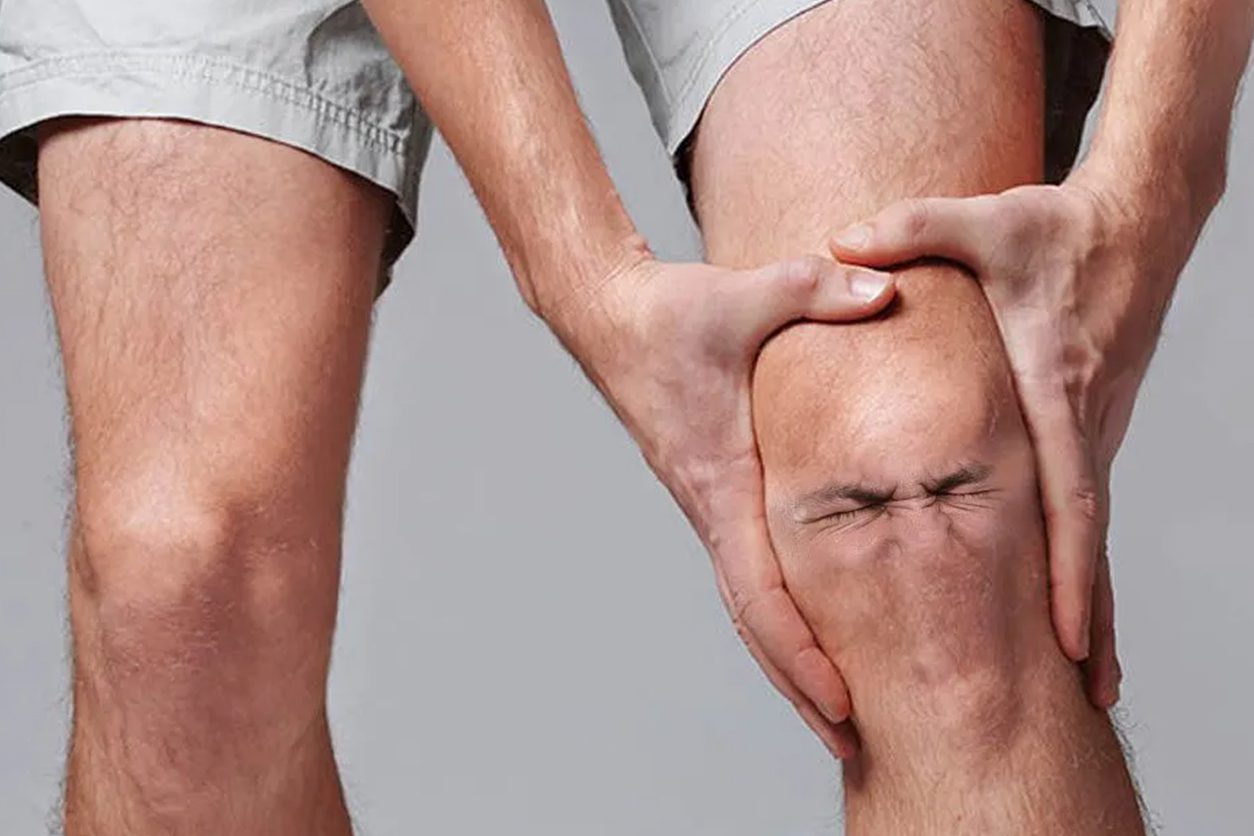
Knee pain is one of the most common complaints that brings clients into the clinic. Whether from sports, aging, or long days on the job, discomfort around the knees can make even simple activities — climbing stairs, standing up, or walking — feel like a challenge.
But here’s what surprises many people: knee pain is often not just a knee problem. Because the knee sits between two highly mobile joints — the hip and ankle — restrictions above or below often load the knee with stress it was never meant to handle. Massage therapy addresses these hidden contributors by working through fascia and muscle chains, restoring balance so the knees can function without constant strain.
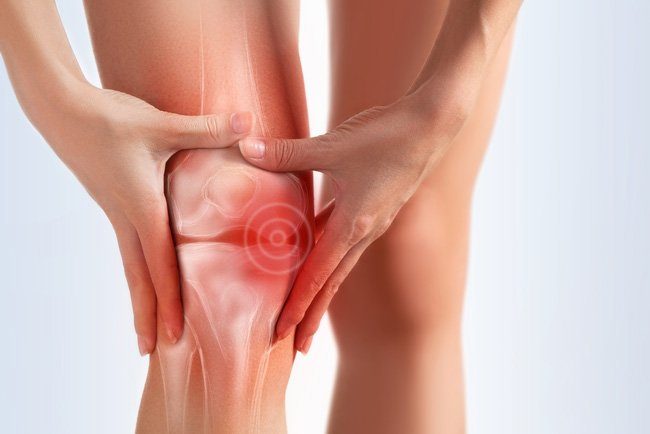
Understanding Knee Pain
The knee is a hinge joint supported by ligaments, muscles, and fascia. Pain may arise locally (cartilage wear, ligament strain, meniscus tears) or be driven by imbalances elsewhere.
Common symptoms include:
- Sharp pain on the front or sides of the knee
- Stiffness or swelling after activity
- Pain when climbing stairs or squatting
- Clicking, locking, or instability
Common causes include:
- Overuse injuries (running, cycling, heavy lifting)
- Postural imbalances (pelvic tilt, flat feet)
- Old injuries or surgical scars
- Fascial restrictions in hips, calves, or IT band
Myths & Misconceptions
- “Knee pain always means arthritis.”
Arthritis can contribute, but restrictions in hips, calves, or feet are often the hidden drivers. - “It’s only about the joint itself.”
The knee is strongly influenced by hip and ankle mechanics — often the true source of strain. - “Surgery is inevitable.”
Many people avoid surgery with conservative care: massage, mobility work, and strengthening. - “Stretching the knee solves knee pain.”
Stretching can help, but without addressing upstream fascia, results are usually temporary.
Deeper Causes & System Connections
Knee pain reflects a web of influences:
- Tight Calves & Ankles: Limited ankle mobility reduces shock absorption, sending force into the knee.
- Hip Restrictions: Stiff hips alter femur tracking, stressing the kneecap and joint surfaces.
- Quadriceps & IT Band Tension: Shortened quads and tight IT band pull directly on the knee, creating tracking issues.
- Hamstring Imbalances: Weak or tight hamstrings alter gait mechanics, destabilizing the joint.
- Old Injuries & Scar Tissue: Adhesions from surgeries or past sprains disrupt fascia and overload the knee.
- Scoliosis & Postural Shifts: Curved spines tilt the pelvis, creating uneven forces on both knees.
Functional Anatomy Spotlight: The Patella as a Pulley
The kneecap, or patella, is more than just a floating bone at the front of the knee — it’s a pulley. Its job is to redirect the force of the quadriceps muscle so that the knee can extend the leg efficiently. Think of it as a guide wheel, allowing the quads to generate power without grinding directly against the femur.
When the tissues around the patella are balanced, the kneecap glides smoothly in its groove. But when fascia or muscles pull unevenly — for example, when the quadriceps tighten on one side or the IT band stiffens — the patella can drift off track. This creates irritation, inflammation, and the grinding sensation many people feel when climbing stairs or squatting.
Massage therapy helps by releasing those uneven fascial pulls. By softening quads, IT band, and even hip restrictions, the “pulley system” realigns. This restores smoother tracking of the kneecap, reduces joint irritation, and improves how force transfers through the entire knee.
Fascial Tension & Joint Mechanics
The knee is highly dependent on fascia and muscle chains for proper function. When fascia stiffens:
- The patella (kneecap) may track unevenly, irritating cartilage.
- Quads and IT band pull laterally, creating outer-knee pain.
- Tight calves tug upward on the Achilles and plantar fascia, increasing downward stress into the knee.
- Hip restrictions alter femoral rotation, twisting the joint with every step.
Massage therapy helps by:
- Freeing fascia around calves, hamstrings, and IT band.
- Softening adhesions that tether quads or post-surgical scars.
- Improving circulation to reduce inflammation and stiffness.
- Restoring balance in the posterior and anterior chains that stabilize the joint.
What’s Happening Beneath the Surface — And How Massage Intervenes
Knee pain may feel local, but it reflects several overlapping processes:
- Fascial Adhesions: Scar tissue and collagen buildup stiffen fascia around the knee, limiting glide between tissues.
- Tracking Issues: Tight quads and IT band pull the kneecap laterally, irritating cartilage.
- Shock Absorption Loss: Restricted calves and ankles stop force from dispersing, sending impact straight into the knee.
- Compensatory Strain: Weak hips or glutes cause uneven femur rotation, loading the knee unevenly.
- Protective Guarding: Muscles around the joint brace in response to pain, tightening further and creating a feedback loop.
Massage therapy helps by:
- Releasing IT band and quadriceps tension to restore kneecap glide.
- Freeing adhesions in hamstrings and calves to balance movement.
- Mobilizing scar tissue from surgeries or old injuries.
- Improving circulation to reduce stiffness and inflammation.
- Resetting protective muscle bracing so the joint can move naturally.
Lifestyle & Prevention
Daily habits play a big role in keeping knees healthy:
- Strength First: Build glute and hip strength to stabilize the femur and reduce strain on the knee.
- Stretch the Chain: Regularly stretch calves, quads, and hamstrings to keep fascia supple.
- Posture Matters: Avoid locking knees when standing — it stresses ligaments and fascia.
- Footwear Check: Supportive shoes prevent imbalances from traveling upward. Replace worn-out pairs before they collapse.
- Surface Awareness: Alternate between soft and hard surfaces for activity when possible to reduce joint load.
- Move, Don’t Freeze: Prolonged sitting stiffens hips and knees — take movement breaks often.
Long-Term Resilience: Training Beyond the Knee
One of the biggest misconceptions about knee health is that the knee itself needs all the attention. In reality, the hip and ankle are just as important — and often more influential — in preventing pain.
- Hip Strength: Strong glutes and hip abductors keep the femur aligned, preventing the knee from collapsing inward during movement.
- Ankle Mobility: A mobile ankle absorbs shock with each step, protecting the knee from overload.
- Core Stability: A strong core keeps the pelvis balanced, reducing uneven stress on the knees.
- Single-Leg Training: Exercises like step-downs or balance drills train the body to control alignment, which directly supports knee resilience.
Massage therapy restores mobility and reduces fascial tension, but movement training keeps those gains in place. By strengthening hips, improving ankle function, and balancing the entire chain, clients build resilience that prevents knee pain from returning.
At-Home Tips for Happier Knees
These simple strategies complement hands-on therapy:
- Quad Stretch: Stand, pull one ankle toward glutes, keep knees together. Relieves tension on kneecap.
- Hamstring Stretch: Place heel on a chair, hinge forward from hips. Prevents posterior chain stiffness.
- Calf Stretch Against Wall: Step one foot back, heel down, lean forward. Reduces fascial pull on knee.
- Foam Roll IT Band (Gently): Roll outer thigh slowly, pausing at tender spots. Loosens lateral tension.
- Glute Bridge: Lie on back, knees bent, lift hips. Strengthens stabilizers that protect the knee.
- Step-Down Drill: Slowly step off a low surface, focusing on control. Trains knee alignment during movement.
When to Seek Professional Help
Massage therapy is powerful, but medical assessment is necessary if:
- Knee locks, catches, or gives way frequently
- Swelling persists or worsens after activity
- Pain worsens despite conservative care
- There’s sudden trauma (pop, twist, or fall) with immediate pain
- Instability or weakness interferes with walking
In such cases, physiotherapy, imaging, or medical treatment may be needed alongside massage.
The Takeaway
Knee pain often hides a bigger story. Instead of being only about the joint, it reflects fascial restrictions, muscular imbalances, and compensations from the hips and ankles. By treating these upstream and downstream contributors, massage therapy restores balance, improves glide, and relieves strain that the knee was never meant to carry alone.
When combined with simple stretches, strengthening, and supportive footwear, fascia-focused massage empowers clients to move with less pain and greater stability.