
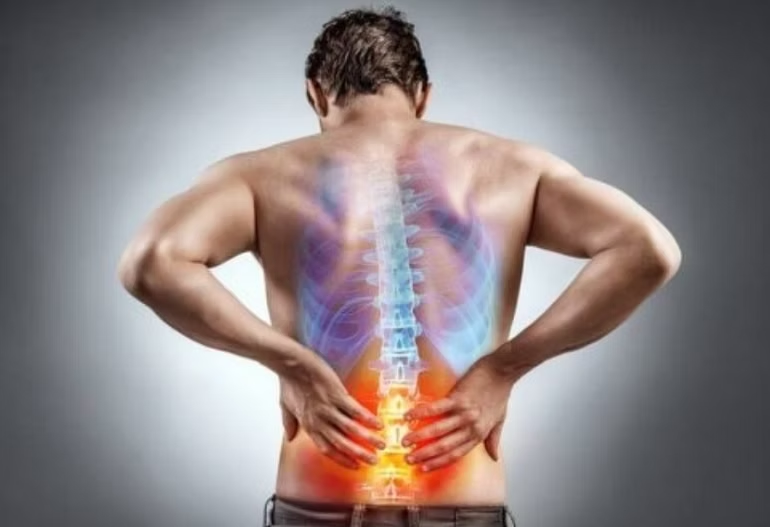
Sciatica is one of the most common yet misunderstood conditions clients bring into the clinic. Characterized by sharp pain, tingling, or numbness radiating from the low back down into the leg, it can make even simple movements like sitting, walking, or bending excruciating.
Many people assume sciatica always means a “slipped disc.” While discs can play a role, the reality is more complex. Sciatica is not a diagnosis itself, but a description of symptoms caused by irritation somewhere along the sciatic nerve pathway. That irritation can come from the spine, pelvis, muscles, or fascial restrictions.
The good news is that sciatica often responds well to conservative treatments — and fascia-focused massage therapy is uniquely suited to address many of the underlying causes.
Understanding Sciatica
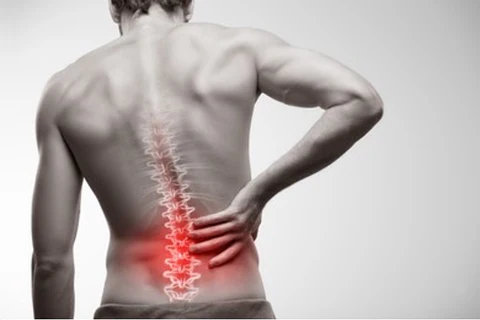
The sciatic nerve is the longest and widest nerve in the body. Originating from nerve roots in the lumbar spine, it travels through the pelvis, passes deep in the glutes near the piriformis muscle, and continues down the back of the leg into the foot.
Symptoms of sciatica may include:
- Sharp, burning, or shooting pain down the leg
- Tingling or numbness in the foot or toes
- Muscle weakness in the leg
- Increased pain with prolonged sitting or standing
Causes can vary widely:
- Lumbar disc herniation or degeneration
- Piriformis syndrome (when the piriformis muscle compresses the nerve)
- Pelvic misalignment or fascial restrictions in the hips
- Scar tissue or adhesions from old injuries or surgeries
Understanding which of these is at play is key to effective treatment — and where fascia-focused care provides a unique advantage.
Myths & Misconceptions About Sciatica
Because sciatica is so common, it’s surrounded by myths that often mislead people about their condition.
- “Sciatica always means a herniated disc.”
In reality, many cases come from muscular compression (piriformis syndrome) or pelvic imbalance, not the discs themselves. - “Rest is the best treatment.”
Prolonged inactivity often makes sciatica worse by tightening fascia and muscles. Gentle, guided movement is usually part of the solution. - “Surgery is inevitable.”
Surgery is only needed in severe or progressive cases. Most people improve with conservative care like massage, physiotherapy, and lifestyle changes. - “If the pain goes away, the problem is solved.”
Symptoms may quiet temporarily, but unless the underlying restriction is released, sciatica often returns.
By breaking these myths, clients begin to understand that sciatica is a multifactorial condition — one that can often be relieved without invasive procedures.
Deeper Causes & System Connections
Sciatica doesn’t exist in isolation. The nerve itself is rarely the “enemy” — it’s the tissues around it creating irritation. Here are some deeper causes massage therapy addresses:
- Piriformis Tension: The piriformis muscle sits directly over the sciatic nerve. If tight or inflamed, it can compress the nerve, creating radiating pain into the leg.
- Fascial Adhesions in the Hips & Low Back: Scars from surgeries (like C-sections or lumbar operations) or fascial restrictions in the glutes and hamstrings can tether tissue, reducing glide and irritating the nerve.
- Pelvic Misalignment: Tilted or rotated pelvises change the angle of the nerve pathway, forcing the sciatic nerve to travel through restricted space.
- Posterior Chain Tension: Tight hamstrings and calves create additional pulling on the pelvis and low back, worsening nerve compression.
- Stress & Nervous System Sensitization: Chronic stress amplifies pain signals, making sciatica feel more severe even when structural irritation is mild.
Because the sciatic nerve runs such a long course, restrictions at multiple points — low back, pelvis, hips, or even calves — can all contribute to symptoms.
🔗 Related: [Surprising Sources of Low Back Pain]
🔗 Related: [Surprising Sources of Hip Pain]
Nerve Glide & Fascial Interfaces
Healthy nerves don’t just conduct signals — they also glide within their fascial tunnels as the body moves. The sciatic nerve, in particular, needs to slide several millimeters with each step. When fascia stiffens or adhesions form, this glide is lost.
Without smooth glide, the nerve is tugged and irritated every time the hip flexes or the leg extends. This mechanical irritation, combined with local inflammation, produces the burning or shooting pain characteristic of sciatica.
Massage therapy restores glide by freeing fascial restrictions along the nerve’s pathway — in the low back, pelvis, glutes, and hamstrings. As the nerve regains its ability to move smoothly, symptoms often decrease dramatically, even when structural issues in the spine remain unchanged.
What’s Happening Beneath the Surface — And How Massage Intervenes
Sciatica isn’t just about “a pinched nerve.” Several physiological processes combine to create the burning, radiating pain people feel:
- Nerve Compression: When the nerve roots in the lumbar spine or the nerve itself near the piriformis are compressed, electrical signals misfire, creating sharp pain, tingling, or numbness.
- Fascial Stiffness & Adhesions: Scar tissue or chronically tight fascia reduces the natural “glide” around the nerve. Instead of moving smoothly during motion, the nerve becomes irritated with every step.
- Inflammatory Environment: Reduced circulation in the low back and pelvis allows inflammatory byproducts to linger, heightening nerve sensitivity.
- Protective Guarding: Muscles surrounding the nerve — especially the glutes, hamstrings, and piriformis — tighten reflexively, locking the area down and worsening compression.
Lifestyle & Prevention
Sciatica recovery doesn’t end in the clinic — daily habits play a huge role in keeping symptoms from coming back:
- Posture Reset: Keep feet flat and spine supported while sitting. Avoid prolonged slouching or crossing legs, which can tilt the pelvis.
- Movement Snacks: Take brief standing or walking breaks every 30–45 minutes. Motion reduces stiffness in the pelvis and hips.
- Heat for Softening, Cold for Flares: Heat encourages tissue flexibility before stretching, while ice can reduce nerve irritation during acute flare-ups.
- Core & Glute Engagement: Gentle strengthening helps stabilize the pelvis, reducing the load on the lumbar spine.
- Stress Management: Since stress amplifies nerve pain perception, techniques like deep breathing or meditation help keep symptoms calmer.
Long-Term Resilience: Supporting the Sciatic Pathway
- Hip Mobility Drills: Gentle pigeon stretch variations reduce piriformis tension.
- Hamstring Balance: Stretching and strengthening prevent uneven sciatic load.
- Core Stability: A stable pelvis reduces nerve irritation from spinal micro-movements.
Massage helps calm nerve irritation, but building hip, hamstring, and core resilience keeps flare-ups from recurring.
At-Home Tips for Happier Backs & Hips
Simple, consistent practices can support long-term relief:
- Piriformis Stretch: Lie on your back, cross one ankle over the opposite knee, and gently pull the thigh toward your chest. Loosens pressure on the sciatic nerve.
- Hamstring Reset: Place one foot on a chair, hinge forward at the hips, and stretch the hamstrings. Reduces posterior chain pull into the pelvis.
- Pelvic Tilts: Lie on your back with knees bent, flatten your low back gently into the floor, then release. Builds awareness and control of pelvic alignment.
- Calf Stretch on Wall: Step one foot back, press the heel down, and lean forward. Restores mobility in the chain leading into the low back.
- Breathing Drill: Place one hand on your belly, one on your chest. Inhale into the belly, exhale slowly. Down-regulates the nervous system and reduces pain sensitivity.
When to Seek Professional Help
While most cases of sciatica respond to conservative care, certain signs require medical evaluation:
- Sudden, severe pain after trauma
- Progressive weakness in the leg or foot (“foot drop”)
- Loss of bladder or bowel control (a medical emergency)
- Pain that worsens significantly despite self-care and treatment
For recurring or persistent sciatica, collaboration between massage therapy, physiotherapy, and medical care often provides the best outcomes.
The Takeaway
Sciatica can feel overwhelming — but it isn’t always about the discs or a single nerve. More often, it’s the result of fascial tension, pelvic imbalance, or muscular guarding that compress and irritate the sciatic pathway.
By addressing the physiology behind the pain — releasing fascia, calming protective muscles, and improving circulation — massage therapy creates conditions for lasting relief. Combined with self-care and lifestyle strategies, this approach empowers clients to move, sit, and live without the constant shadow of sciatic pain.
👉 Ready to move beyond flare-ups? Book a session at Rise Massage Therapy in Winchester and experience how freeing the chain around the sciatic nerve can restore freedom to your entire body.