
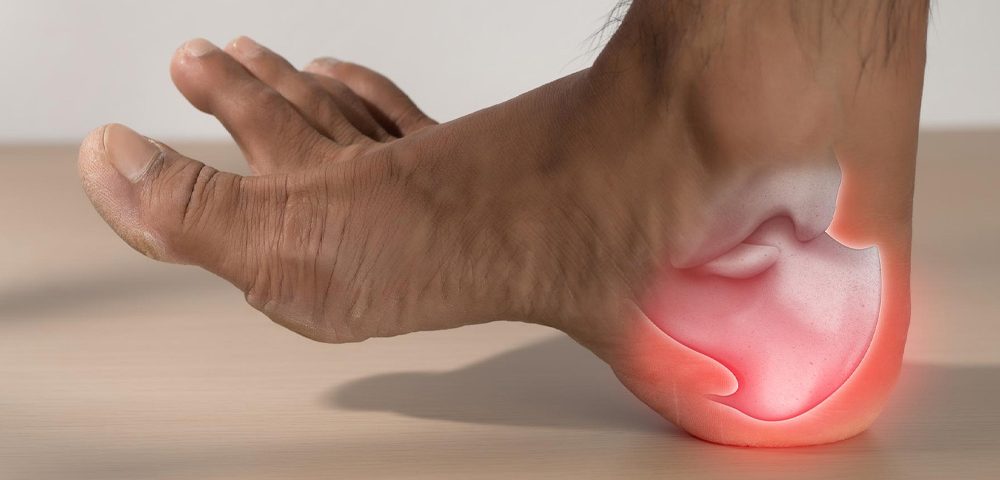
Foot pain is one of the most frustrating conditions because it interferes with every step. Among the most common causes is plantar fasciitis — irritation of the thick band of fascia that runs along the sole of the foot, from the heel to the toes.
Clients with plantar fasciitis often describe stabbing heel pain in the morning, aching arches after long days, or discomfort that worsens with running, cycling, or standing for hours. But here’s the catch: while the pain shows up in the foot, the root causes usually involve tightness and restrictions higher up the chain — calves, hamstrings, hips, even low back.
Fascia-focused massage therapy addresses both the local irritation in the foot and the hidden contributors above it, offering relief that goes beyond temporary fixes.
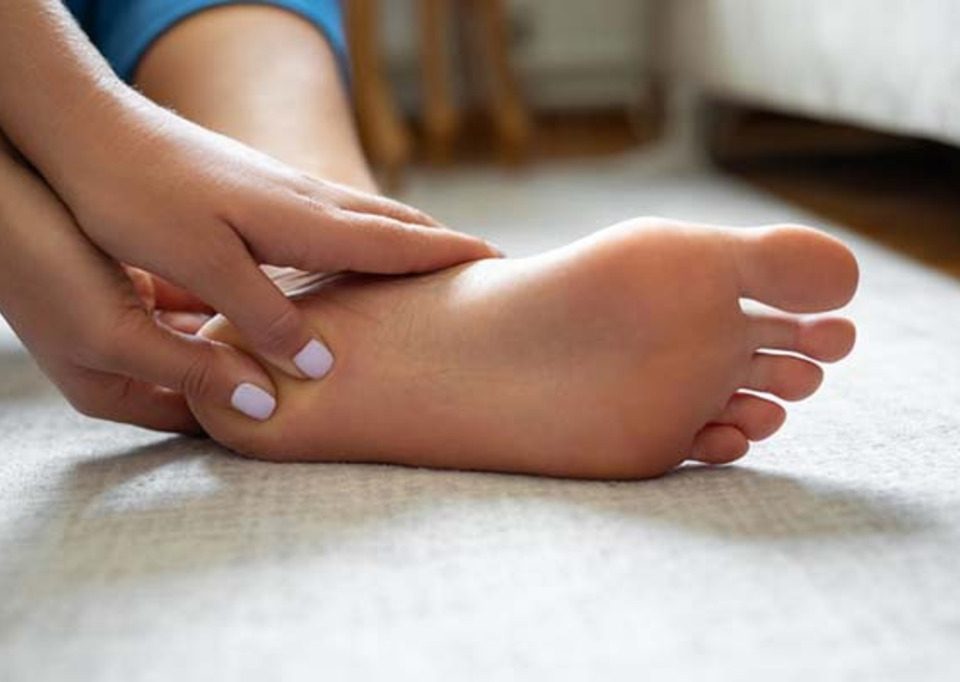
Understanding Plantar Fasciitis
The plantar fascia is a tough, fibrous band that supports the arch of the foot and absorbs shock during walking and running. When it becomes overstressed, microtears and inflammation develop, especially where it anchors into the heel.
Symptoms include:
- Sharp, stabbing heel pain with the first steps in the morning
- Arch or heel soreness after long activity or standing
- Pain that worsens with running, jumping, or climbing stairs
- Stiffness in the sole of the foot, especially after rest
Risk factors include:
- Tight calves or Achilles tendon
- Flat feet or very high arches
- Unsupportive footwear
- Sudden increases in activity (e.g., starting a running program)
- Fascial restrictions in the hips, hamstrings, or low back
Myths & Misconceptions
- “Plantar fasciitis only comes from bad shoes.”
Footwear matters, but restrictions in the calves, hips, or hamstrings often drive the overload. - “It’s just a heel problem.”
The plantar fascia is part of a full fascial chain; tension anywhere along the line (calves, hamstrings, hips) can show up in the foot. - “Rest is enough.”
Rest may reduce symptoms temporarily, but without addressing fascia and mechanics, pain usually returns. - “You need surgery if it doesn’t go away.”
Most plantar fasciitis cases resolve with conservative care, including massage, stretching, and strengthening.
Deeper Causes & System Connections
The plantar fascia doesn’t work in isolation — it’s part of the posterior chain that links the sole of the foot to the calves, hamstrings, glutes, and low back.
- Tight Calves: Reduced ankle mobility increases pull on the heel and fascia.
- Hamstring & Hip Restrictions: Shortened posterior chain muscles overload the plantar fascia.
- Pelvic Imbalances: Tilted pelvis changes gait mechanics, stressing the arch.
- Flat Feet or High Arches: Alter how force is distributed, forcing fascia to absorb shock unevenly.
- Scar Tissue in Ankles/Knees: Old injuries shift load into the foot.
This chain explains why treating only the heel often fails — the source of strain may be much higher up.
Microtears, Fascia, and Nerve Sensitivity
Plantar fasciitis is less about “inflammation” alone and more about fascial overload. Repeated strain causes tiny tears in the fascia near its heel attachment. The body responds with collagen, but the repair tissue is thicker and less elastic. Over time:
- The fascia stiffens and loses its spring.
- Nerves in the heel become hypersensitive, amplifying pain signals.
- Calf and hamstring restrictions create constant downward pull, preventing healing.
Massage therapy helps by:
- Softening fascia locally and along the posterior chain.
- Restoring glide between fascia and muscle layers.
- Increasing circulation to aid repair and reduce sensitivity.
- Freeing upstream restrictions that keep the fascia under constant tension.
What’s Happening Beneath the Surface — And How Massage Intervenes
Plantar fasciitis symptoms reflect a combination of local irritation and whole-chain overload:
- Collagen Stiffening: Microtears trigger collagen buildup that thickens the fascia and reduces its elasticity.
- Circulatory Limits: Restricted blood flow in the sole and heel slows healing.
- Fascial Bracing: Calves and hamstrings tighten to protect the foot, but this increases tension downward.
- Nerve Sensitization: Heel nerves become hypersensitive, making pain sharper than the tissue damage alone would suggest.
- Gait Changes: Pain itself alters walking mechanics, which reinforces overload in the fascia.
Massage therapy intervenes by:
- Restoring elasticity to the plantar fascia through direct release.
- Freeing calf, hamstring, and hip restrictions to reduce downward pull.
- Improving circulation for faster tissue repair.
- Calming nerve hypersensitivity with slow, sustained pressure.
- Resetting protective muscle guarding so the foot can move naturally again.
Lifestyle & Prevention
Relieving plantar fasciitis isn’t only about treatment — it’s about building habits that prevent recurrence:
- Footwear Matters: Choose shoes with supportive arches and cushioned soles. Replace worn-out shoes before they collapse.
- Surface Awareness: Standing for long hours on hard surfaces increases strain; cushioned mats can help.
- Activity Progression: Increase mileage or intensity gradually to avoid sudden overload.
- Daily Stretching: Keep calves and hamstrings flexible to reduce tension on the fascia.
- Weight Balance: Even small weight changes affect foot load; core strength helps distribute forces more evenly.
- Posture Reset: Standing tall with balanced hips reduces fascial pull through the legs into the feet.
Long-Term Resilience: Building a Better Foundation
- Calf Flexibility: Daily stretching restores ankle mobility.
- Foot Strength: Toe-spread and short-foot drills build arch support.
- Load Management: Alternating footwear and surfaces reduces repetitive heel strain.
Massage unlocks the fascia, but strengthening and mobility drills reinforce a foundation that resists re-injury.
At-Home Tips for Plantar Fasciitis Relief
These practical strategies can make daily life more manageable:
- Calf Stretch on Wall: Step one foot back, heel down, lean forward. Hold 20–30 seconds. Reduces pull through the Achilles and fascia.
- Hamstring Stretch: Place heel on a low surface, hinge forward from the hips. Prevents posterior chain tension from reaching the fascia.
- Plantar Fascia Roll: Roll the arch of the foot slowly over a small ball or frozen water bottle. Softens fascia and reduces sensitivity.
- Toe Stretch Drill: Sit, cross one ankle over the other knee, gently pull toes back to stretch the plantar fascia directly.
- Towel Curl Exercise: Place a towel under the foot, scrunch it with toes. Strengthens foot muscles that support the arch.
- Breathing Reset: Deep belly breathing reduces sympathetic tension that makes fascia clamp down.
When to Seek Professional Help
Massage and self-care can be very effective, but medical evaluation is important if:
- Heel pain persists beyond 6–8 weeks without improvement
- Pain is severe enough to alter gait significantly
- Swelling or bruising is present in the heel or arch
- Pain radiates beyond the sole into the ankle or calf
- There’s a sudden “pop” in the arch followed by sharp pain
Physiotherapy, orthotics, imaging, or medical treatment may be needed alongside massage for stubborn cases.
The Takeaway
Plantar fasciitis may feel like “just heel pain,” but it’s really the end result of a full-chain problem — tight calves, hamstrings, hips, and even posture. By addressing both the local fascia and upstream restrictions, massage therapy provides relief that lasts longer than quick fixes.
Combined with supportive footwear, stretching, and simple at-home care, fascia-focused massage helps restore elasticity and balance from the ground up — giving clients not only pain-free feet, but a stronger foundation for the whole body.👉 Heel or arch pain slowing you down? Book a session at Rise Massage Therapy in Winchester and rediscover what it feels like to walk without pain.