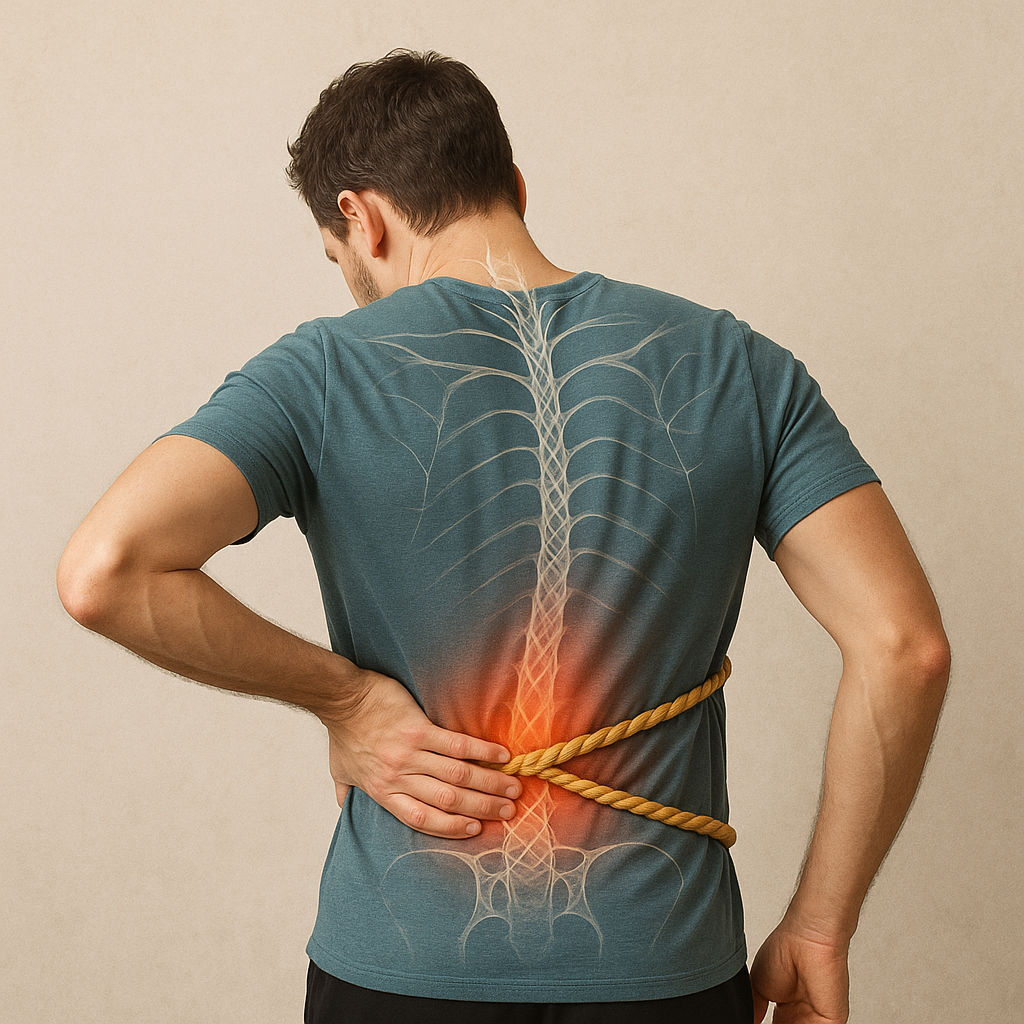


Repetitive Strain Injuries (RSIs) are some of the most common conditions treated in massage therapy clinics. Whether it’s aching wrists from typing, sore elbows from using tools, or shoulder tension from repetitive lifting, the story is the same: small, repeated movements done for hours on end eventually overwhelm the body’s ability to recover.
At Rise Massage Therapy, we often see clients who feel trapped in this cycle — pain flares when they work, but rest is not an option. The good news is that massage therapy can help restore mobility, reduce inflammation, and release the fascial restrictions that build up with overuse, giving the body a chance to reset.
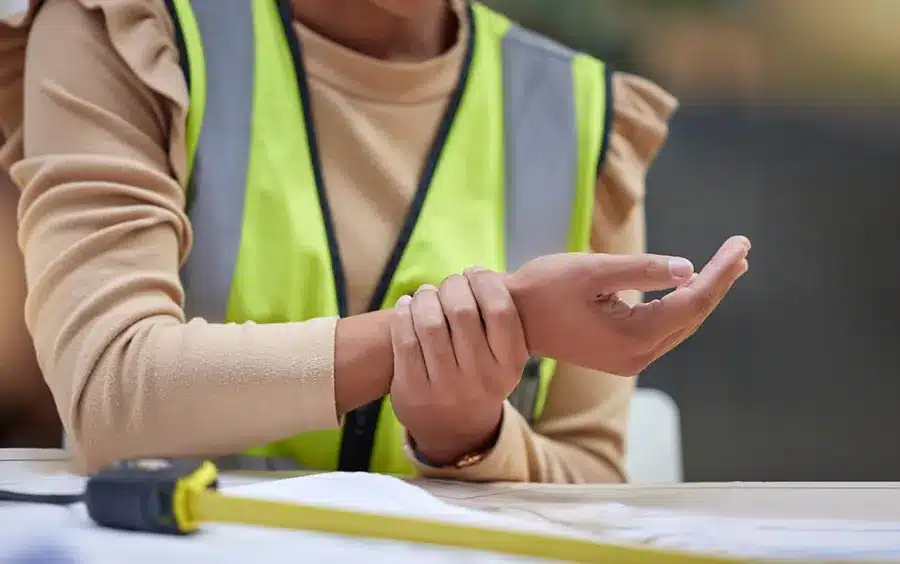
Understanding Repetitive Strain Injuries
RSIs develop when micro-tears and tissue fatigue outpace the body’s natural repair process. Unlike a sudden injury, RSIs creep in slowly — discomfort builds gradually until it becomes persistent pain.
Common symptoms include:
- Aching, burning, or throbbing pain in the affected area
- Stiffness or reduced range of motion
- Numbness, tingling, or weakness (especially in hands and arms)
- Pain that worsens during or after repetitive activity
- Relief with rest, but symptoms returning quickly afterward
Examples of RSIs:
- Carpal Tunnel Syndrome
- Tennis Elbow (lateral epicondylitis)
- Golfer’s Elbow (medial epicondylitis)
- Rotator cuff tendinitis
- Trigger finger
- De Quervain’s tenosynovitis (thumb tendonitis)
Myths & Misconceptions
- “RSIs only happen to office workers.”
RSIs affect tradespeople, athletes, musicians, and anyone doing repetitive tasks. - “It’s just about the muscles.”
Tendons, fascia, nerves, and even posture all play a role. - “You can just rest it and it’ll go away.”
Rest helps temporarily, but without addressing underlying restrictions, RSIs often return. - “RSI means you have to stop doing your job.”
With proper treatment and management, most people can continue working while healing.
Deeper Causes & System Connections
RSIs reflect more than just “too much use.” They’re influenced by:
- Fascial Adhesions: Repetitive motion causes fascia to stiffen, limiting glide.
- Muscle Imbalance: Overused muscles dominate while stabilizers weaken, creating uneven load.
- Postural Strain: Desk work or tool use locks the body into positions that overload tendons.
- Nerve Irritation: Swelling and tight fascia compress nerves, causing tingling or weakness.
- Systemic Factors: Stress, poor sleep, and inflammation make tissues slower to repair.
Physiology of Overuse
RSIs develop through three overlapping stages:
- Microtrauma: Tiny tears form in muscle fibers and tendons.
- Inflammation: The body responds with swelling and protective muscle guarding.
- Chronic Adaptation: Collagen is laid down haphazardly, forming scar tissue and fascial adhesions that lock the injury in place.
Massage therapy disrupts this cycle by:
- Breaking down adhesions and restoring fascial glide.
- Improving blood flow to speed repair.
- Reducing inflammation by stimulating lymphatic drainage.
- Calming nervous system sensitivity that amplifies pain.
Functional Anatomy Spotlight: Tendons, Fascia & Nerve Pathways
RSIs aren’t just about sore muscles. The real stress accumulates in the tendons and fascia that transmit force from muscle to bone. Unlike muscles, tendons have a limited blood supply, which means they heal more slowly and are more vulnerable to repetitive overload. When fascia around these tendons stiffens, it restricts their natural glide, forcing the tissue to work harder with every movement.
Nerves also run through these same tight spaces. For example, in the forearm, the median and ulnar nerves weave between muscle and fascia. When surrounding tissues swell or stiffen, nerves become compressed, leading to tingling, numbness, or weakness in the hand and wrist.
Massage therapy improves outcomes by restoring fascial mobility around these tendons and clearing space for nerves to glide. This not only relieves pain but also prevents chronic adaptations, like scar tissue buildup, from locking the injury in place.
What’s Happening Beneath the Surface — And How Massage Intervenes
Repetitive Strain Injuries are essentially the body’s warning system: “I can’t keep up with the load you’re putting on me.” Underneath the discomfort, several processes are at work:
- Fascial Stiffening: Repeated stress makes fascia less elastic, binding layers of tissue together.
- Tendon Overload: Tendons, with limited blood supply, become inflamed and slow to recover.
- Protective Guarding: Muscles brace around irritated tissue, amplifying tension.
- Nerve Involvement: Swelling and adhesions press on nerves, causing tingling or weakness.
- Movement Compensation: As one area fatigues, others pick up the slack, spreading pain into new regions.
Massage therapy helps by:
- Freeing fascial adhesions to restore natural tissue glide.
- Softening guarding patterns that fuel pain loops.
- Stimulating circulation to oxygenate overused tissues.
- Encouraging lymphatic flow to clear inflammatory byproducts.
- Resetting the nervous system, reducing pain sensitivity.
Lifestyle & Prevention
Massage interrupts the cycle, but prevention is key to long-term relief:
- Task Variation: Rotate jobs or activities when possible to give tissues recovery time.
- Micro-Breaks: Every 20–30 minutes, pause to stretch or shake out hands and arms.
- Ergonomic Setup: Position tools, screens, and work surfaces to reduce awkward joint angles.
- Grip Awareness: Use the least force necessary to hold tools or type.
- Whole-Body Strength: Strong hips, shoulders, and core reduce stress on smaller joints like wrists and elbows.
- Stress Management: High stress increases bracing and clenching, adding load to already strained tissues.
Long-Term Resilience: Training Smarter, Not Just Harder
Breaking free of RSI isn’t only about loosening tight tissues — it’s about building resilience so the body can handle load better in the future.
- Antagonist Strengthening: If flexors (gripping muscles) are overworked, training extensors (the muscles that open the hand) restores balance.
- Grip Variety: Using different grip sizes or alternating tools prevents overloading the same tissues.
- Whole-Chain Conditioning: Strengthening shoulders, hips, and core reduces strain funneled into small joints like wrists and elbows.
- Movement Nutrition: Just like diet, movement needs variety. Switching between sitting, standing, lifting, and walking keeps fascia adaptable.
- Active Recovery: Gentle mobility drills, yoga, or swimming help tissues heal instead of locking into stiffness.
Massage helps reset overloaded tissues, but resilience training ensures symptoms don’t come back once you return to work or sport. When the two work together, RSIs transform from a chronic setback into an opportunity for smarter, more sustainable performance.
At-Home Tips for RSI Relief
Simple strategies clients can use between sessions:
- Forearm Stretch: Extend arm, palm up, gently pull fingers back to lengthen flexors.
- Reverse Stretch: Palm down, bend wrist downward for extensor release.
- Tennis Ball Roll: Roll forearm or palm over a tennis ball to soften tight fascia.
- Shoulder Blade Squeeze: Retrain postural muscles by drawing shoulder blades back and down.
- Heat Therapy: Apply gentle heat before activity to loosen fascia.
- Ice Reset: Use cold packs after heavy use to calm inflammation.
When to Seek Professional Help
Massage therapy and self-care are effective, but medical support is important if:
- Pain persists beyond several weeks despite conservative care
- Numbness or weakness interferes with grip or coordination
- Symptoms worsen at night or disturb sleep
- There’s swelling that doesn’t improve with rest
- Function declines significantly at work or in daily activities
In such cases, physiotherapy, imaging, or even medical intervention may be necessary alongside massage.
The Takeaway
Repetitive Strain Injuries are not just “work aches” — they reflect deep fascial, muscular, and nervous system overload. Massage therapy helps interrupt the cycle by restoring tissue glide, circulation, and nervous system balance.
When paired with ergonomics, movement breaks, and self-care strategies, massage empowers clients to not only recover from RSIs but also build resilience for the future. Relief isn’t about stopping work — it’s about helping the body adapt so you can keep doing what you love without constant pain.