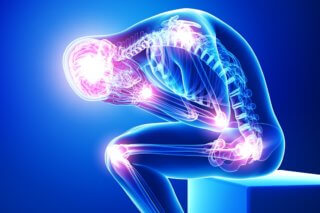


Stress is more than a mental state. It shows up in the body through tight shoulders, clenched jaws, shallow breathing, racing hearts, and restless minds. Over time, chronic stress can hardwire these patterns into the nervous system, leaving people feeling anxious, fatigued, and stuck in a cycle that never fully resets.
Massage therapy offers more than relaxation — it works directly with the nervous system, fascia, and breath to calm stress responses and support balance. By engaging the body’s parasympathetic system — the “rest and digest” branch — massage gives the body permission to release its constant guarding and return to ease.

Understanding Stress & Anxiety
Stress is the body’s natural response to challenge. In short bursts, it’s adaptive: heart rate increases, muscles tense, and focus sharpens. But when stress becomes chronic, it overwhelms the system.
Anxiety often arises when this stress response becomes habitual, even without an immediate threat.
Common symptoms include:
- Muscle tension (neck, shoulders, jaw)
- Headaches or migraines
- Shallow, rapid breathing
- Digestive upset
- Restlessness or insomnia
- Racing thoughts or difficulty focusing
How stress impacts the body:
- Activates the sympathetic nervous system (“fight or flight”)
- Increases cortisol, elevating inflammation
- Tightens fascia and muscles as protective bracing
- Restricts breathing, reducing oxygen flow
- Keeps the mind and body in a loop of hypervigilance
Myths & Misconceptions
- “Stress is only mental.”
In reality, it’s deeply physical — muscles, fascia, and breath patterns all adapt to chronic stress. - “Relaxation is a luxury.”
Nervous system regulation is essential for immune function, recovery, and long-term health. - “Massage just relaxes muscles.”
Massage also calms the vagus nerve, restores circulation, and supports hormonal balance. - “Stress relief means eliminating stress.”
Life stressors can’t always be removed — but the body’s response to stress can be reshaped.
Deeper Causes & System Connections
Chronic stress rarely exists in isolation — it ties into multiple systems:
- Fascial Bracing: Fascia stiffens under cortisol, reducing mobility and fueling pain chains.
- Breath Restriction: Stress shifts breathing into the chest, tightening the diaphragm and scalenes.
- Jaw & TMJ Tension: Clenching and grinding are unconscious outlets for stress.
- Postural Strain: Desk work and stress combine, locking the body into guarded posture.
- Nervous System Feedback Loop: Stress makes the body brace → bracing feels uncomfortable → discomfort creates more stress.
Functional Anatomy Spotlight: The Vagus Nerve Connection
One of the most important players in stress regulation is the vagus nerve — a long cranial nerve that runs from the brainstem down through the neck, chest, and abdomen. It’s the main highway of the parasympathetic nervous system, signaling the body to relax, slow the heart rate, and digest.
When stress is chronic, vagal tone weakens. This means the body has a harder time switching off “fight or flight.” Massage therapy — especially gentle, sustained pressure along the neck, chest, and abdomen — stimulates the vagus nerve. Clients often notice deeper breathing, a slower heart rate, or even a gentle sigh during treatment. These are signs of the vagus nerve reactivating, helping the body remember what calm feels like.
Physiology of Stress Relief
Massage influences stress at multiple physiological levels:
- Vagus Nerve Stimulation: Gentle sustained touch activates the vagus nerve, lowering heart rate and calming digestion.
- Cortisol Reduction: Research shows massage lowers cortisol while increasing serotonin and dopamine — natural mood stabilizers.
- Parasympathetic Reset: Techniques like rhythmic effleurage and myofascial release cue the body to exit “fight or flight.”
- Fascial Hydration: Stress stiffens fascia; massage rehydrates and restores its natural glide.
- Breath Reconnection: By freeing chest and diaphragm fascia, massage helps restore deeper, calmer breathing patterns.
What’s Happening Beneath the Surface — And How Massage Intervenes
Stress and anxiety don’t just “live in the mind.” They reshape how the body operates:
- Protective Guarding: Muscles brace against perceived threat, especially in the jaw, shoulders, and low back.
- Fascial Stiffening: Elevated cortisol dehydrates fascia, making it feel tight and sticky.
- Nervous System Hyperdrive: Constant sympathetic activation keeps the heart racing and digestion sluggish.
- Breathing Constriction: Chest breathing reinforces stress signals, creating a feedback loop of tension.
- Pain Sensitization: Chronic stress heightens pain perception, so discomfort feels sharper and more persistent.
Massage therapy interrupts these cycles by:
- Softening muscle and fascial bracing patterns.
- Encouraging parasympathetic dominance (rest and digest).
- Improving blood and lymph circulation to clear stress hormones.
- Restoring diaphragmatic freedom for deeper, calming breaths.
- Helping the body “remember” ease, which rewires stress responses.
Lifestyle & Prevention
Massage is a reset button, but daily choices shape long-term resilience:
- Breath Awareness: Practice belly breathing throughout the day to reset stress signals.
- Movement Breaks: Regular walks or stretching reduce fascial stiffening from prolonged sitting.
- Mind–Body Practices: Yoga, meditation, or tai chi combine movement with nervous system regulation.
- Stress Hygiene: Limit stimulants like caffeine, which amplify sympathetic drive.
- Sleep Prioritization: Consistent rest lowers baseline cortisol, making the body less reactive.
- Social Connection: Healthy relationships buffer stress responses at both brain and body levels.
Long-Term Resilience: Training the Stress Response
Massage is powerful for breaking the stress cycle, but building resilience is just as important. Long-term nervous system health comes from training the body to recover more quickly after stress.
- Daily Breath Training: Practicing slow, diaphragmatic breathing strengthens vagal tone.
- Micro-Moments of Recovery: Even two minutes of stillness between tasks teaches the body to reset.
- Movement as Medicine: Regular aerobic exercise clears excess cortisol and improves mood chemistry.
- Body Awareness Practices: Yoga, tai chi, or mindful stretching combine breath with slow movement, training calm into muscle memory.
- Sleep Hygiene: Consistent, restorative sleep is the body’s best tool for stress repair.
By combining regular massage with resilience training, clients can move from managing stress in the moment to rewiring how their bodies respond to it altogether.
At-Home Tips for Stress & Anxiety Relief
Practical tools clients can use between sessions:
- Diaphragmatic Breathing Drill: Place one hand on your belly, inhale deeply to expand it, exhale slowly. Repeat for 2–3 minutes.
- Progressive Muscle Relaxation: Tense and release muscles from feet to head, noticing the contrast.
- Self-Massage for Jaw & Neck: Gently press along temples, jawline, or back of the skull to relieve clenching.
- Grounding Walks: Take slow, mindful steps outdoors. Walking rhythm regulates the nervous system.
- Warm Compress Reset: Place a warm pack on shoulders or chest for 10 minutes to reduce bracing.
- Screen Break Ritual: Every hour, close eyes, breathe deeply, and stretch arms wide to counter device posture.
When to Seek Professional Help
Massage helps regulate stress and anxiety, but professional care may be necessary if:
- Anxiety interferes with daily functioning or sleep
- Panic attacks or heart palpitations become frequent
- Pain and tension persist despite self-care and bodywork
- Emotional stress feels overwhelming or unmanageable
Collaborating with healthcare providers, therapists, or counselors can create a comprehensive approach. Massage therapy often works best as part of this larger support system.
The Takeaway
Stress and anxiety weave deeply into both body and mind. They stiffen fascia, restrict breath, heighten pain perception, and lock muscles into protective patterns. Massage therapy offers a way out of the loop — restoring calm through vagus nerve activation, fascial release, and parasympathetic reset.
Paired with mindful habits, breathwork, and daily movement, massage empowers clients to manage stress in healthier ways. Relief isn’t just about loosening tight muscles — it’s about helping the body rediscover balance.👉 Feeling the weight of stress? Book a session at Rise Massage Therapy in Winchester and experience how fascia-focused massage can restore calm, clarity, and ease.