
Surgery is often lifesaving or life-changing, but it always leaves behind more than just a scar. The healing process creates scar tissue, fascial adhesions, and lymphatic congestion that can restrict mobility, alter posture, and contribute to long-term pain. Post-surgical massage therapy can help.
Many clients are surprised to learn that discomfort they experience months — even years — after a procedure isn’t just from the joint or organ that was operated on, but from the way scar tissue and fascial changes ripple through the body. Massage therapy plays a powerful role in helping tissues remodel, circulation restore, and balance return during post-surgical recovery.
Understanding Post-Surgical Healing
When tissue is cut, the body immediately begins a cascade of repair:
- Inflammation Phase (days 1–7): Blood and lymph rush to the area. The body seals the wound and begins forming collagen.
- Proliferation Phase (weeks 1–6): Collagen is laid down rapidly, creating scar tissue. This new tissue is strong but disorganized and stiff.
- Remodeling Phase (months to years): The scar gradually matures, ideally becoming more pliable and integrated into the surrounding tissue.
Why issues arise:
- Scar tissue often forms in thick, haphazard bundles, tethering nearby fascia and skin.
- Adhesions may develop deep inside, pulling on joints or organs far from the surgical site.
- Lymphatic vessels are often disrupted, causing swelling, heaviness, or delayed healing.
- Nerves can become hypersensitive, amplifying pain signals.
Myths & Misconceptions
- “Once the scar heals on the outside, you’re done healing.”
Internal adhesions can continue developing for months or years. - “Scar tissue only matters cosmetically.”
Scar tissue is functional but stiff — it changes how muscles and fascia move, sometimes creating pain far from the incision. - “Massage will reopen the scar.”
When performed after appropriate medical clearance, massage techniques are gentle, safe, and essential for improving scar mobility. - “Surgery fixes the problem completely.”
Surgery repairs one issue but often creates new compensations — restricted fascia, altered posture, or muscle imbalances.
Deeper Causes & System Connections
Post-surgical restrictions rarely stay local:
- Abdominal Scars: C-sections, hernia repairs, or laparoscopic scars can tether fascia that pulls on hips, low back, or even the neck.
- Orthopedic Scars: Knee, hip, or shoulder surgeries leave adhesions that alter movement mechanics, stressing other joints.
- Lymphatic Disruption: Removal of lymph nodes (common in cancer surgeries) or even routine incisions can create long-term swelling.
- Nervous System Effects: Surgery itself is a trauma — the nervous system may brace around the area long after tissue healing, creating protective guarding.
- Whole-Body Compensations: When one region stiffens, the pain chain distributes stress elsewhere (e.g., hip surgery causing low back or knee pain).
Fascia, Lymph, and Nerve Healing
The three main tissues affected by surgery are:
- Fascia: Normally, fascia glides between layers. Scar tissue disrupts this glide, sticking layers together and restricting movement.
- Lymphatic System: When lymph vessels are cut, fluid accumulates, causing swelling and slowing healing.
- Nerves: Surgical trauma can irritate nearby nerves, leaving areas hypersensitive or numb.
Massage therapy supports healing by:
- Gently mobilizing fascia to restore glide.
- Stimulating lymphatic flow to reduce swelling and boost immunity.
- Desensitizing hypersensitive nerves with light, sustained touch.
- Encouraging circulation to oxygenate tissues and accelerate remodeling.
What’s Happening Beneath the Surface — And How Massage Intervenes
Surgery is a controlled injury, and the body’s response is both protective and limiting:
- Collagen Overproduction: Scar tissue is collagen-rich but often laid down in thick, unorganized strands. This stiff “patch” binds tissues together that should slide freely.
- Adhesion Spread: Restrictions can radiate outwards, pulling on fascia several inches or more from the incision site.
- Circulatory Blockages: Swelling or restricted blood flow limits oxygen delivery, slowing repair.
- Protective Guarding: Muscles around the surgical area brace instinctively, even after tissues have healed.
- Nerve Sensitivity: Pain fibers in the fascia may become hypersensitive, amplifying signals of discomfort long after the wound has closed.
Massage therapy disrupts these cycles by:
- Softening adhesions and improving fascial glide.
- Enhancing circulation to bring nutrients and oxygen to tissues.
- Stimulating lymphatic drainage to clear excess swelling.
- Calming protective muscle bracing so the body can move naturally again.
- Downregulating nerve sensitivity, reducing lingering pain.
Functional Anatomy Spotlight: Scar Tissue & Fascial Webs
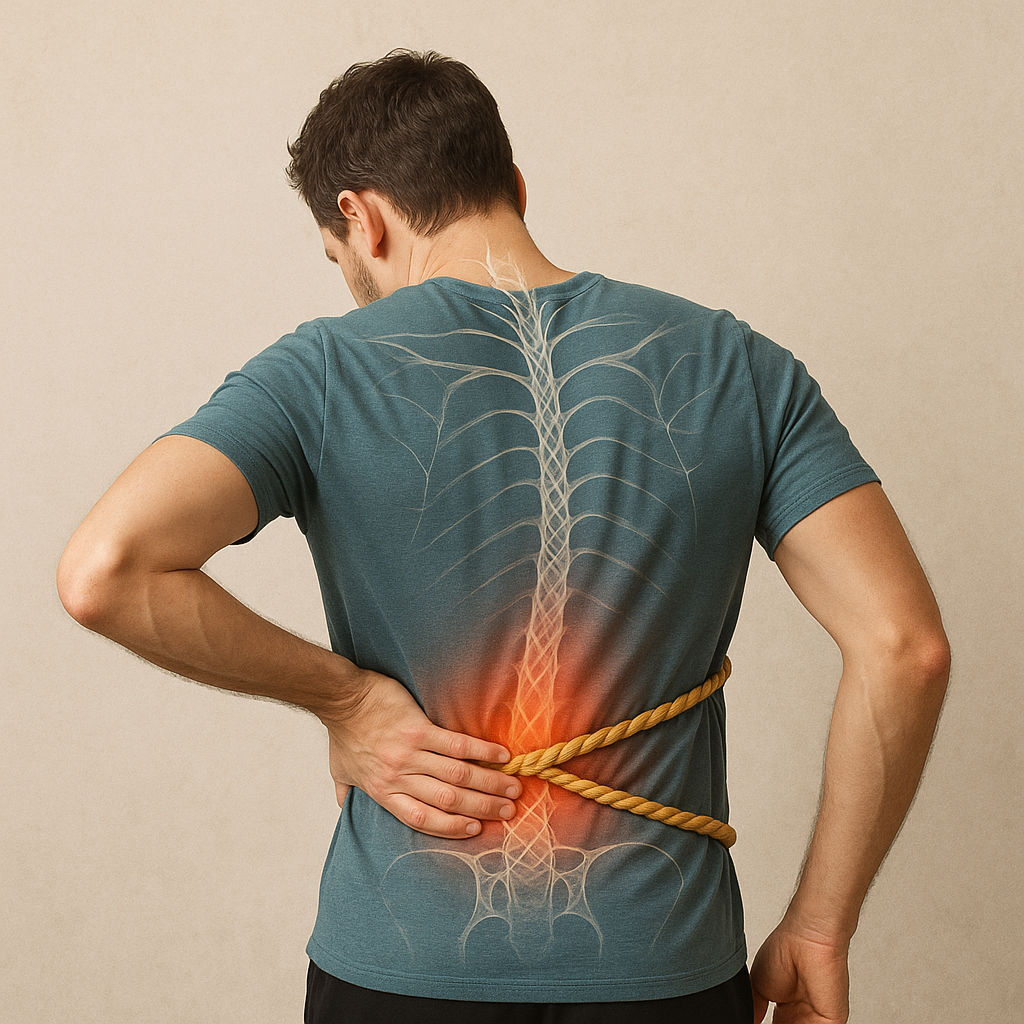
Surgery may close an incision, but beneath the skin, the body lays down scar tissue as a patch. Unlike healthy fascia, which runs in organized, elastic lines, scar tissue is dense and irregular, binding layers of muscle, fascia, and skin together. This can restrict movement far beyond the surgical site — a C-section scar can pull on the pelvis, while a shoulder incision can tether the ribcage. Massage therapy helps by softening adhesions, restoring fascial glide, and re-integrating scarred tissue into the body’s movement system.
Lifestyle & Prevention
Surgical recovery extends far beyond the hospital. Choices in daily life play a key role in long-term outcomes:
- Gradual Movement: Introduce mobility slowly — too much too soon risks re-injury, while too little allows adhesions to worsen.
- Scar Care: Keep the scar moisturized and mobile (after medical clearance) to prevent it from “sticking” into deeper layers.
- Breathwork: Deep breathing expands the ribcage and abdomen, mobilizing fascia gently from within.
- Hydration & Nutrition: Hydrated fascia and protein-rich diets improve collagen remodeling.
- Posture Awareness: Avoid slumping or overprotecting the surgical site, which can create compensatory strain.
- Stress Regulation: Calming the nervous system aids tissue healing; stress often makes muscle bracing worse.
Long-Term Resilience: Moving With Confidence Again
Recovery isn’t just about tissue healing — it’s about rebuilding trust in movement. Many people guard their surgical area long after healing, creating new imbalances.
- Gentle Range-of-Motion Practice: Small, controlled movements reduce stiffness and fear of motion.
- Breathwork Integration: Deep breathing mobilizes the diaphragm and fascia, preventing bracing patterns.
- Progressive Strengthening: Gradual load restores muscle balance without stressing the scar.
- Scar Desensitization: Light self-massage helps retrain the nervous system to tolerate touch around the site.
Massage releases restrictions, but resilience comes from combining that release with mindful movement and gradual strengthening — ensuring the surgical site reintegrates into whole-body function.
At-Home Tips for Post-Surgical Healing
Always check with your surgeon before beginning self-care. With clearance, these strategies support recovery:
- Gentle Scar Massage: Lightly massage around (not on) the scar in small circles to soften adhesions. Progress to directly mobilizing scar tissue once approved.
- Diaphragmatic Breathing: Lie on your back, place a hand on your belly, and breathe deeply. Expands fascia gently and supports lymph flow.
- Ankle Pumps & Leg Elevation: For lower body surgeries, point and flex the ankles with legs slightly elevated to encourage circulation.
- Arm & Shoulder Mobility: For upper body surgeries, gentle range-of-motion exercises prevent stiffness from settling in.
- Walking Breaks: Short, frequent walks promote circulation and lymphatic drainage.
- Mindful Movement: Move slowly, paying attention to areas of restriction rather than pushing through pain.
When to Seek Professional Help
Massage therapy is a valuable part of recovery, but there are times when medical reassessment is crucial:
- Severe swelling that doesn’t improve or worsens
- Signs of infection (redness, heat, pus, fever)
- Sharp, stabbing pain that persists despite gentle care
- Numbness or tingling that worsens over time
- Restricted mobility months after surgery without improvement
Collaborative care with physiotherapy, occupational therapy, or medical imaging may be required in these cases.
The Takeaway
Surgery may resolve one problem, but it introduces new challenges: scar tissue, fascial adhesions, swelling, and protective guarding that linger long after the incision heals. Post-surgical massage therapy helps the body adapt and recover by restoring tissue mobility, circulation, and balance.
When combined with mindful lifestyle practices and at-home care, massage becomes a powerful ally in long-term recovery. Instead of living with stiffness, pain, or restricted movement, clients can regain comfort, confidence, and ease.